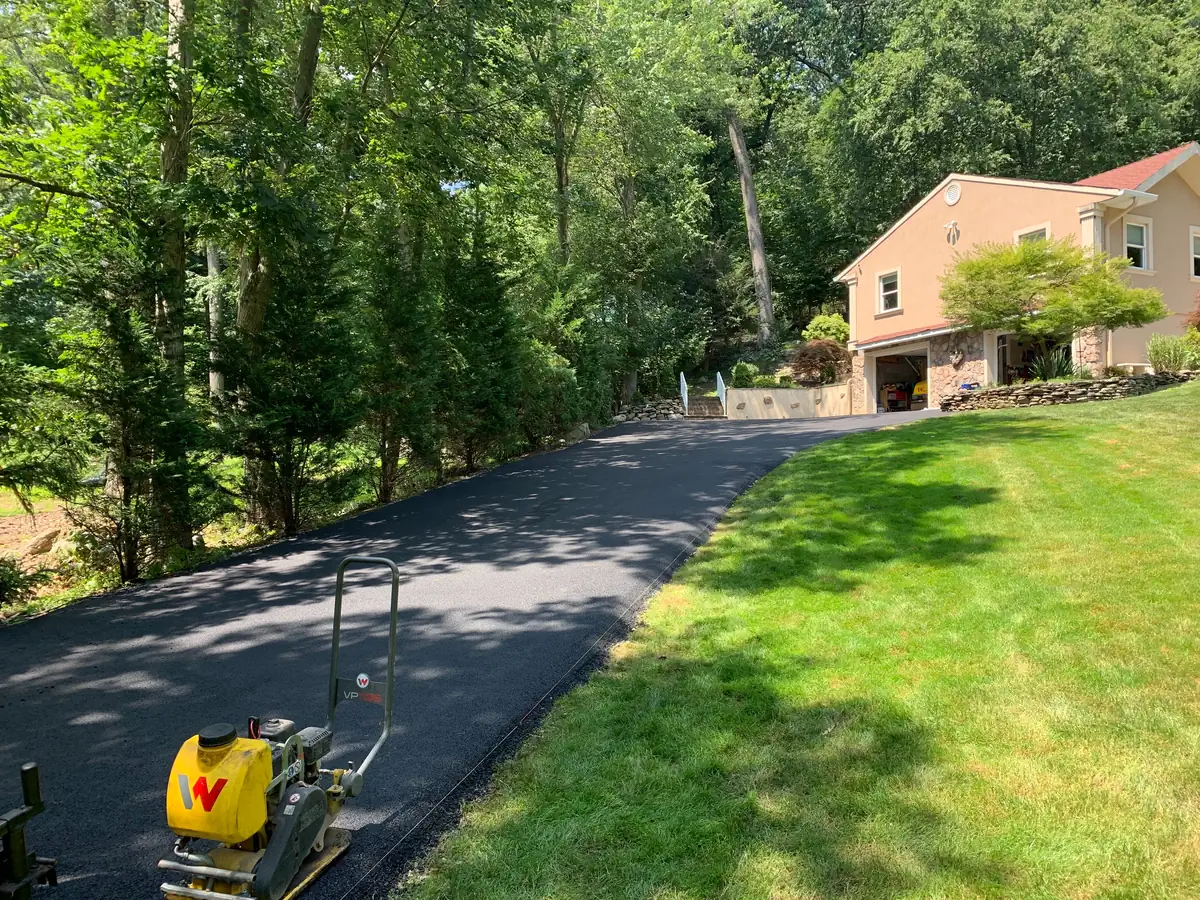
Potholes, cracks, settled areas and resurfacing for driveways and small lots.
Asphalt repair restores a damaged section of pavement instead of replacing the whole surface. Done well, it removes the failed material, corrects what caused it and blends the new asphalt into the old. Keystone Paving & Outdoor repairs driveways, private roads and small parking areas throughout the Florida Panhandle, from Pensacola to Destin and Panama City Beach, and we always start by finding out why the pavement failed.
Read the damage before choosing a fix
Different cracks point to different problems. Matching the repair to the cause is what keeps the same spot from failing again next summer.
What you see
Likely cause
Typical repair
Single long cracks, edges intact
Aging, heat and sun shrinking the surface
Clean and fill the cracks, then seal
Interconnected "alligator" cracks
Weak or wet base under the asphalt
Cut out the area, rebuild the base, patch
Potholes
Water entering cracks and washing out the base
Saw-cut, excavate and patch with hot mix
Crumbling edges
No edge support, traffic along the edge
Rebuild shoulder, patch edge, add restraint
Ruts or sunken areas
Soft subgrade, heavy vehicles, roots
Remove, stabilize the subgrade, repave section
Raised cracks near trees
Root growth under the pavement
Root management and section replacement
How we repair asphalt
A lasting patch is a small paving job, not a bag of cold mix. Our process:
Inspect and mark. We mark the damaged area plus a margin of sound pavement around it.
Saw-cut square edges. Clean vertical edges let the patch bond and stop it from raveling at the seams.
Remove and check the base. Wet, contaminated or soft material is dug out and replaced with compacted stone.
Tack and pave. The edges are coated with tack, hot-mix asphalt is placed slightly high and compacted flush with the surrounding surface.
Seal the joints. Seams are sealed so water cannot get under the new asphalt.
Cold-mix pothole filler is a temporary measure. It helps for a few weeks on a busy entrance, but a permanent repair needs the edges cut, the base addressed and hot mix compacted in place.
When resurfacing makes more sense
If cracking is spread across the whole driveway but the base is still firm and water drains away, a resurfacing overlay can give you a new surface at a lower cost than replacement. Before an overlay we repair any soft spots, fill cracks and adjust edges and tie-ins so the new layer does not create a lip at the garage or street.
When the base has failed over a large area, an overlay only postpones the problem, and cracks usually reflect through within a few years. In that case we will recommend a full asphalt driveway replacement and explain the difference in the estimate.
Why asphalt fails faster on the Gulf Coast
Intense sun. UV exposure oxidizes the binder, so the surface turns gray, brittle and starts to crack.
Heavy rain. Summer storms push water into open cracks and wash fine sand out of the base, which is how potholes start.
Sandy subgrade. Sand loses support when it is saturated or unconfined, especially along unprotected edges.
Roots. Oaks and pines spread roots close to the surface and lift pavement over time.
Small cracks are the cheapest problem to fix. Filling them and keeping the surface sealed is the most cost-effective way to avoid larger repairs. See our sealcoating and crack filling service for routine maintenance.
What to send for a repair estimate
Photos help us plan before the site visit. Include a wide shot of the whole driveway, close-ups of the damage with a shoe or tape measure for scale, any area where water stands after rain, and the approximate age of the pavement if you know it.
Related project photos
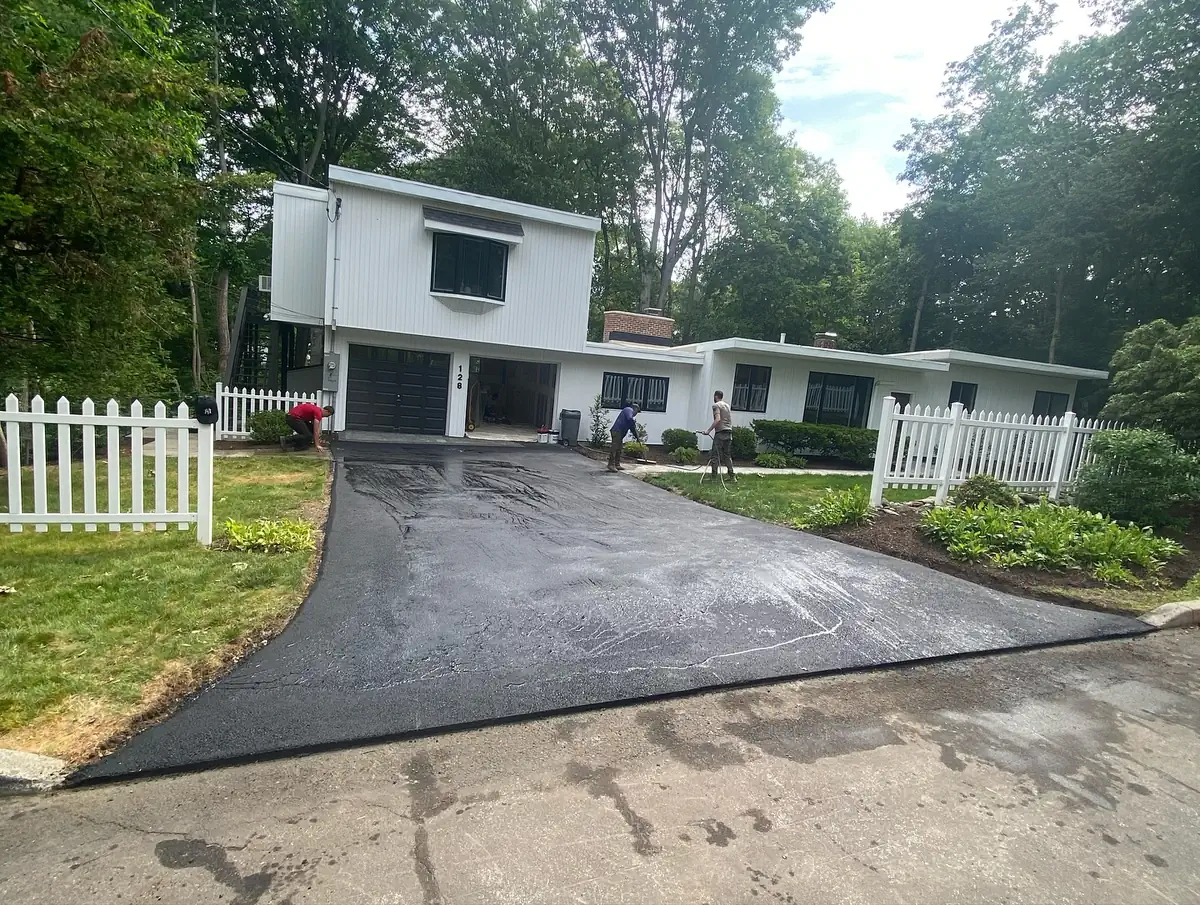
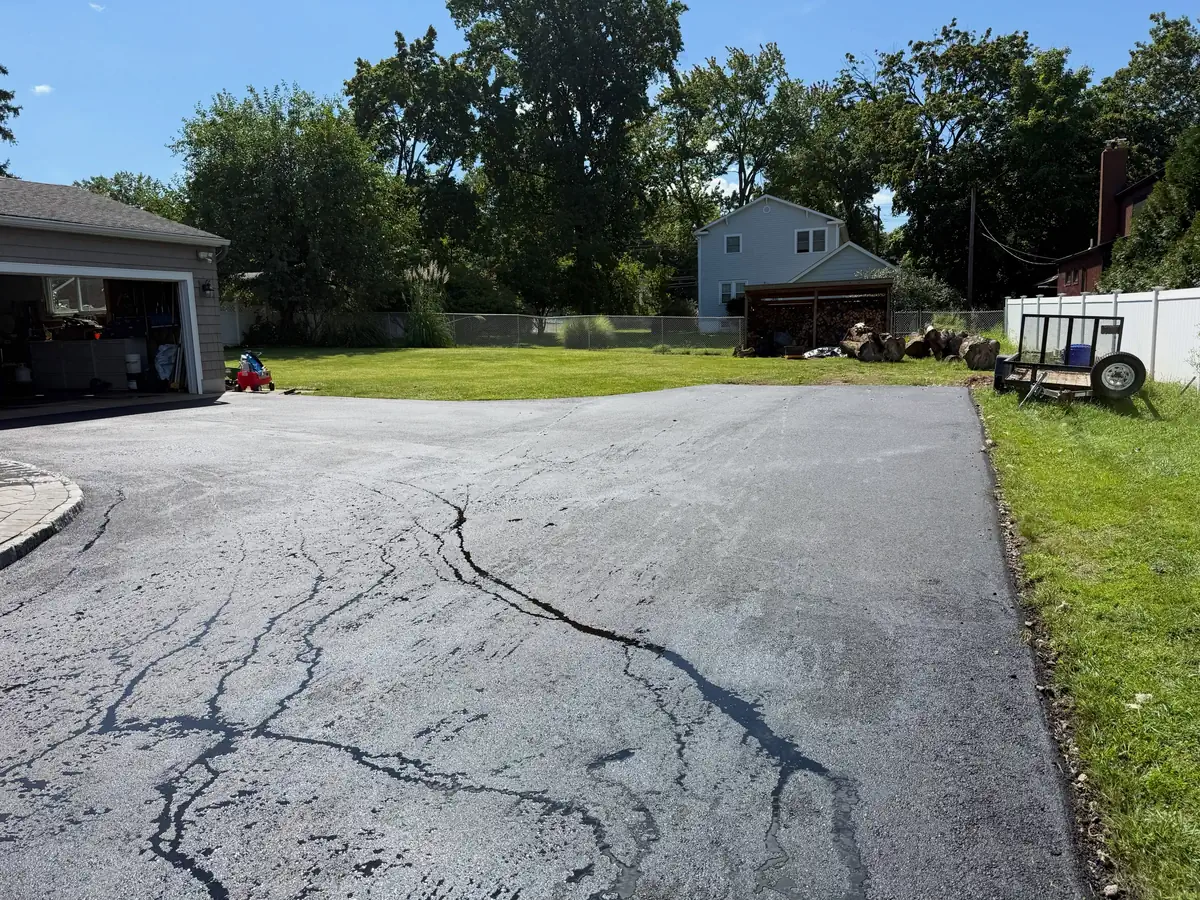
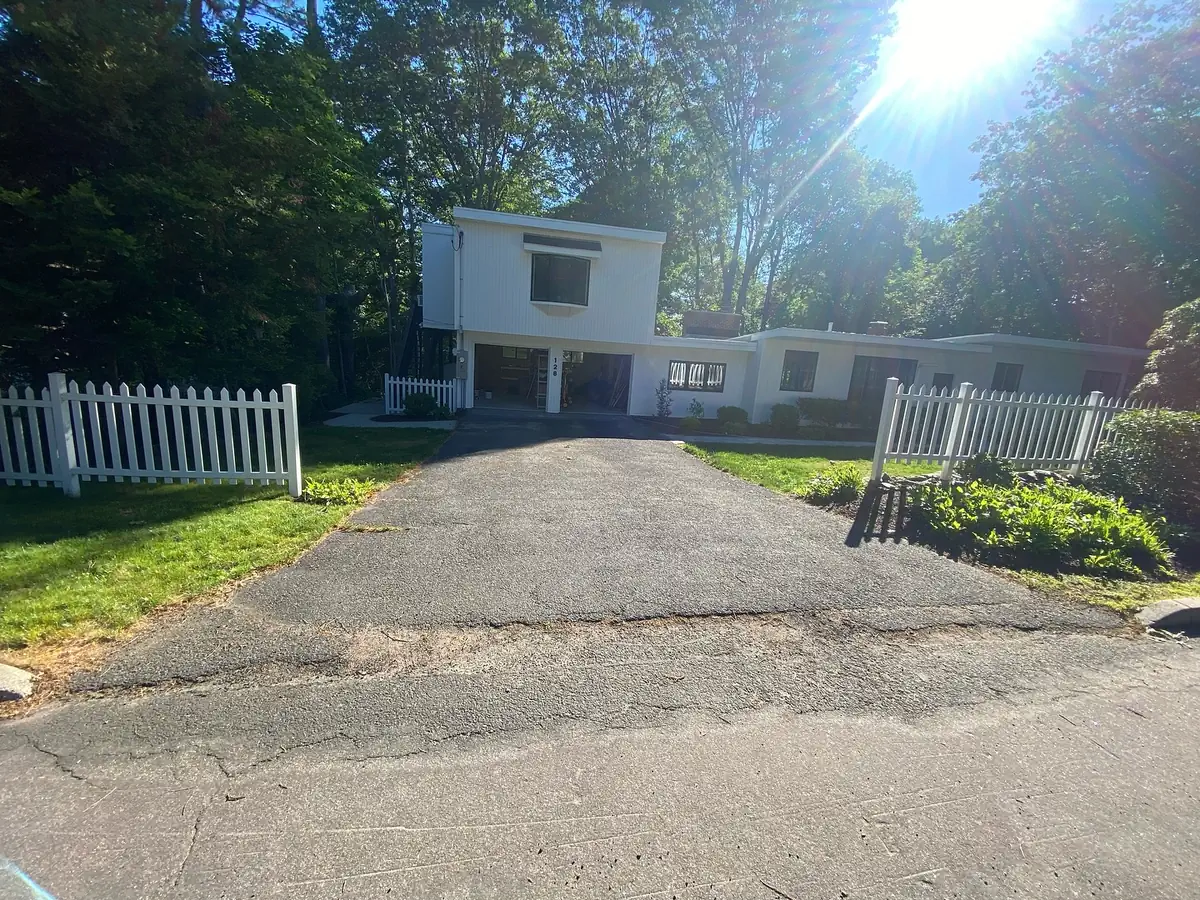
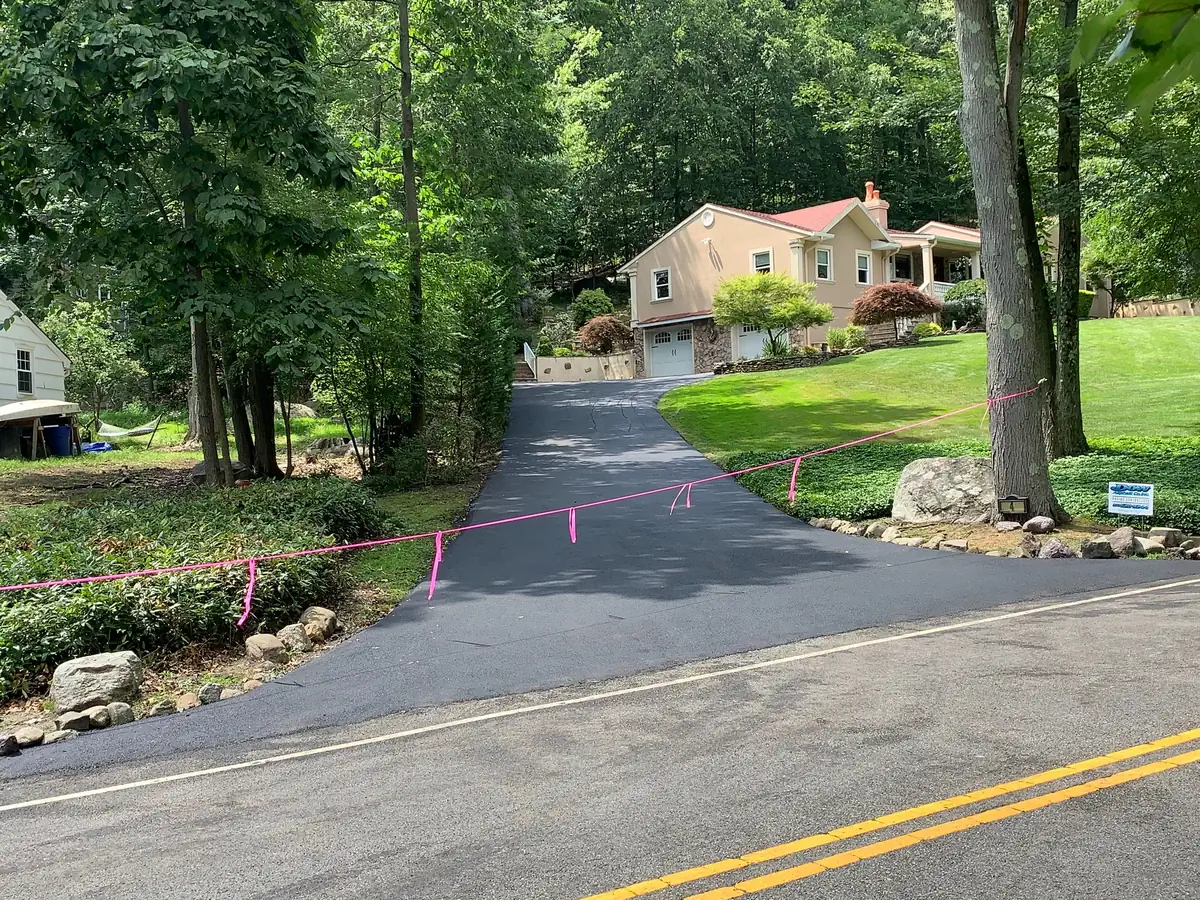
Crack fillingBefore: worn surfaceCrack fillingClean street tie-inCompacting the edges
Asphalt repair questions
Usually, if the potholes are isolated and the rest of the driveway is firm. Each pothole is cut out, the base underneath is rebuilt and the area is patched with hot mix. If damage covers most of the surface, replacement is often the better value.
New asphalt is darker than older pavement at first. The difference fades over time, and sealcoating the whole surface after repairs gives the driveway an even color right away.
Common causes are aging and oxidation from sun exposure, water reaching the base, heavy loads, poor edge support and tree roots. Hairline cracks are mostly surface aging; cracks in a web pattern usually mean the base has weakened.
Hot-mix patches can usually take light traffic within a day once they have cooled. If the repair is followed by sealcoating, plan on keeping vehicles off for another 24 to 48 hours, depending on weather.
Free on-site estimates across the Florida Panhandle, from Pensacola to Destin and Panama City Beach. Call (850) 555-0147 or send us the project details.