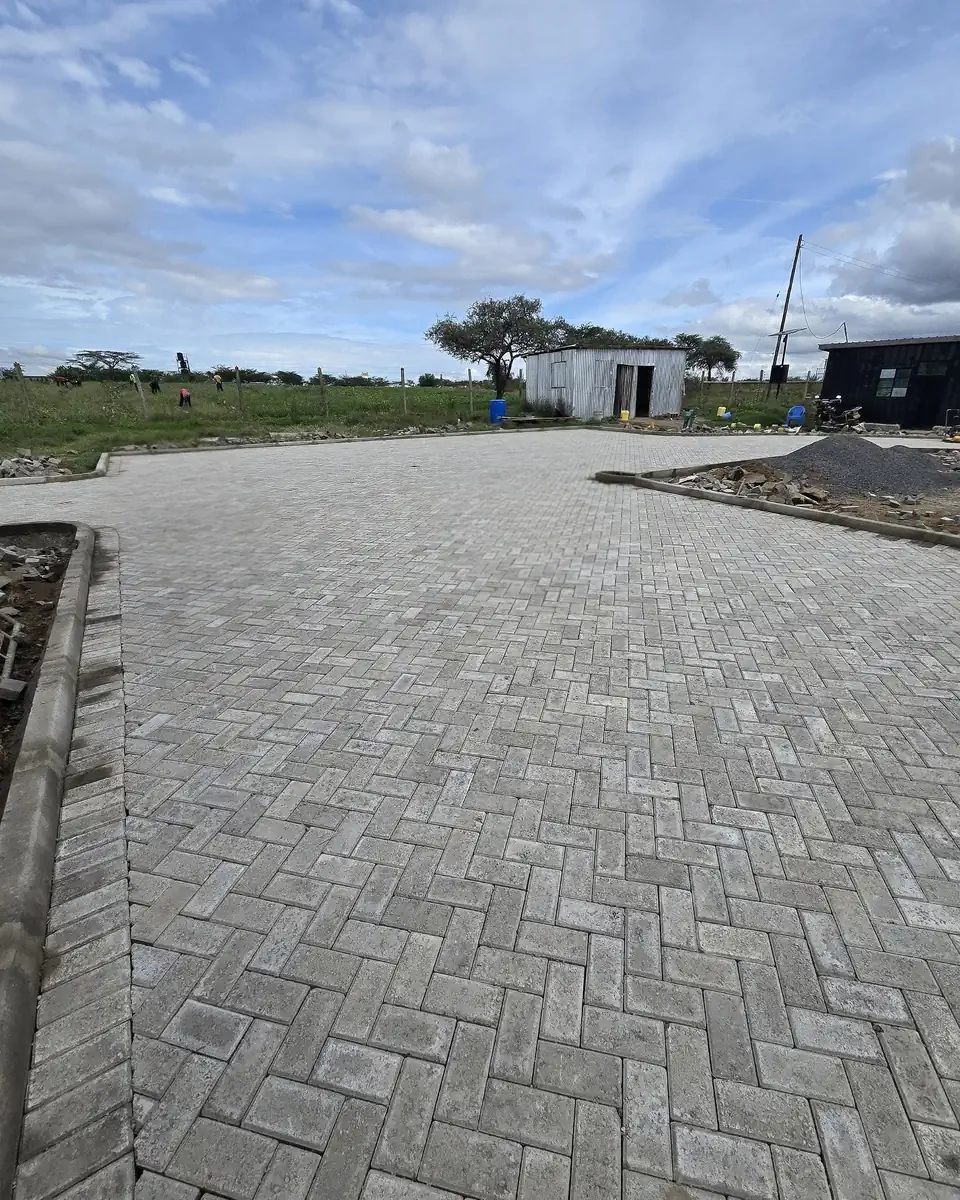
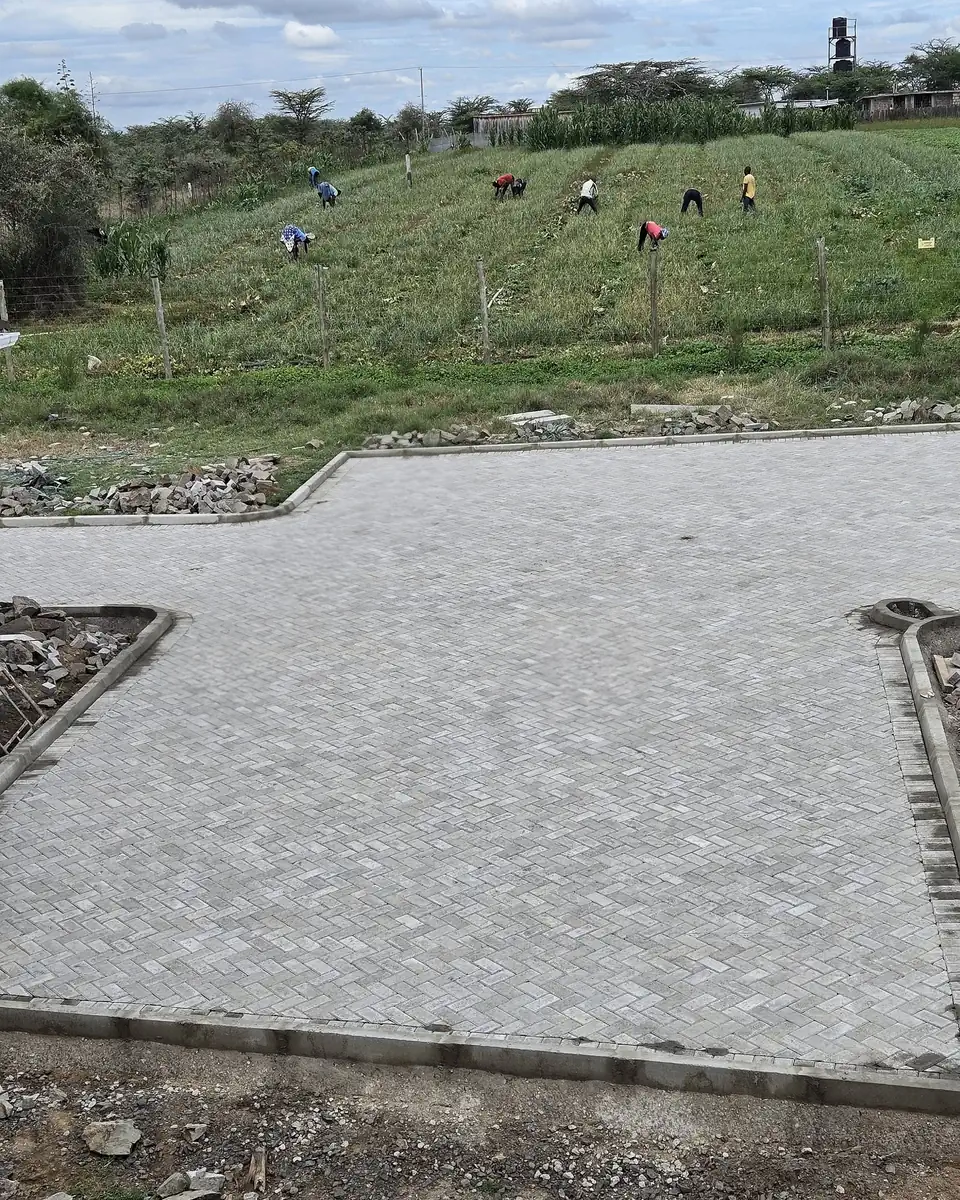
Interlocking paver driveways, patios, walkways and borders built to stay flat.
Paver driveways and patios are built from individual concrete or clay units laid over a compacted base and locked together with joint sand and a solid edge restraint. Pavers flex with the ground instead of cracking, and single units can be lifted and reset. Keystone Paving & Outdoor installs paver driveways, patios, walkways and borders throughout the Florida Panhandle, from Pensacola to Destin and Panama City Beach.
Paver projects we build
Common paver work
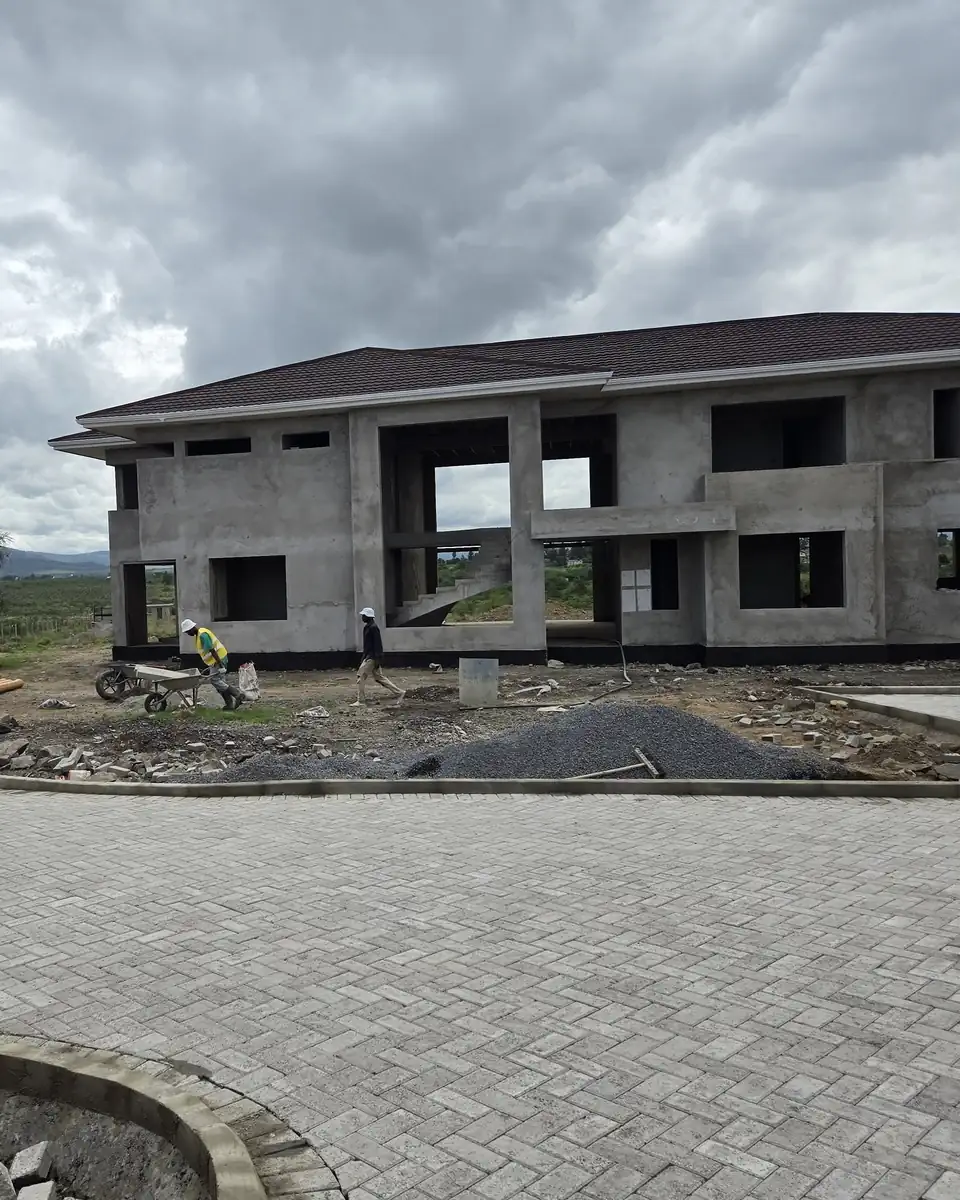
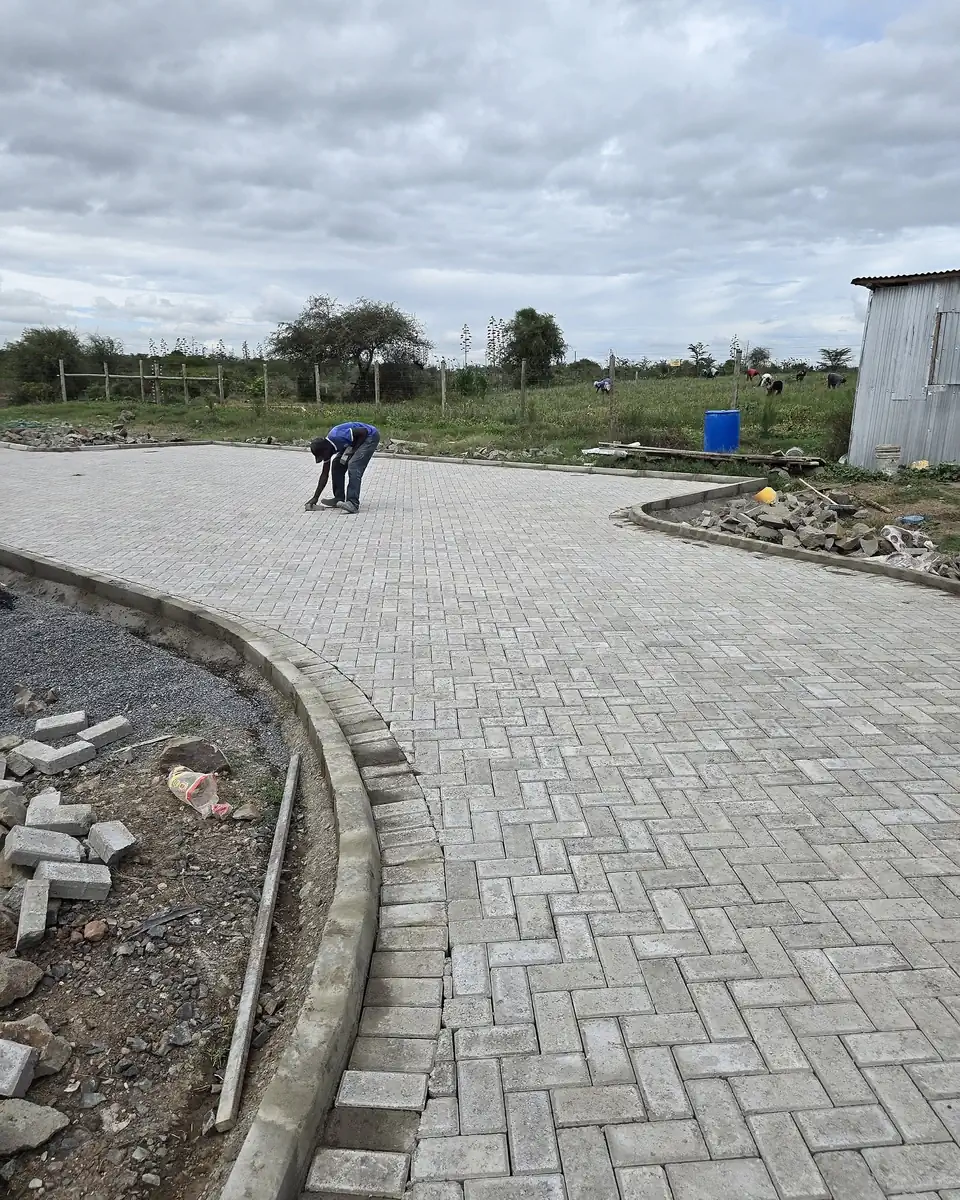
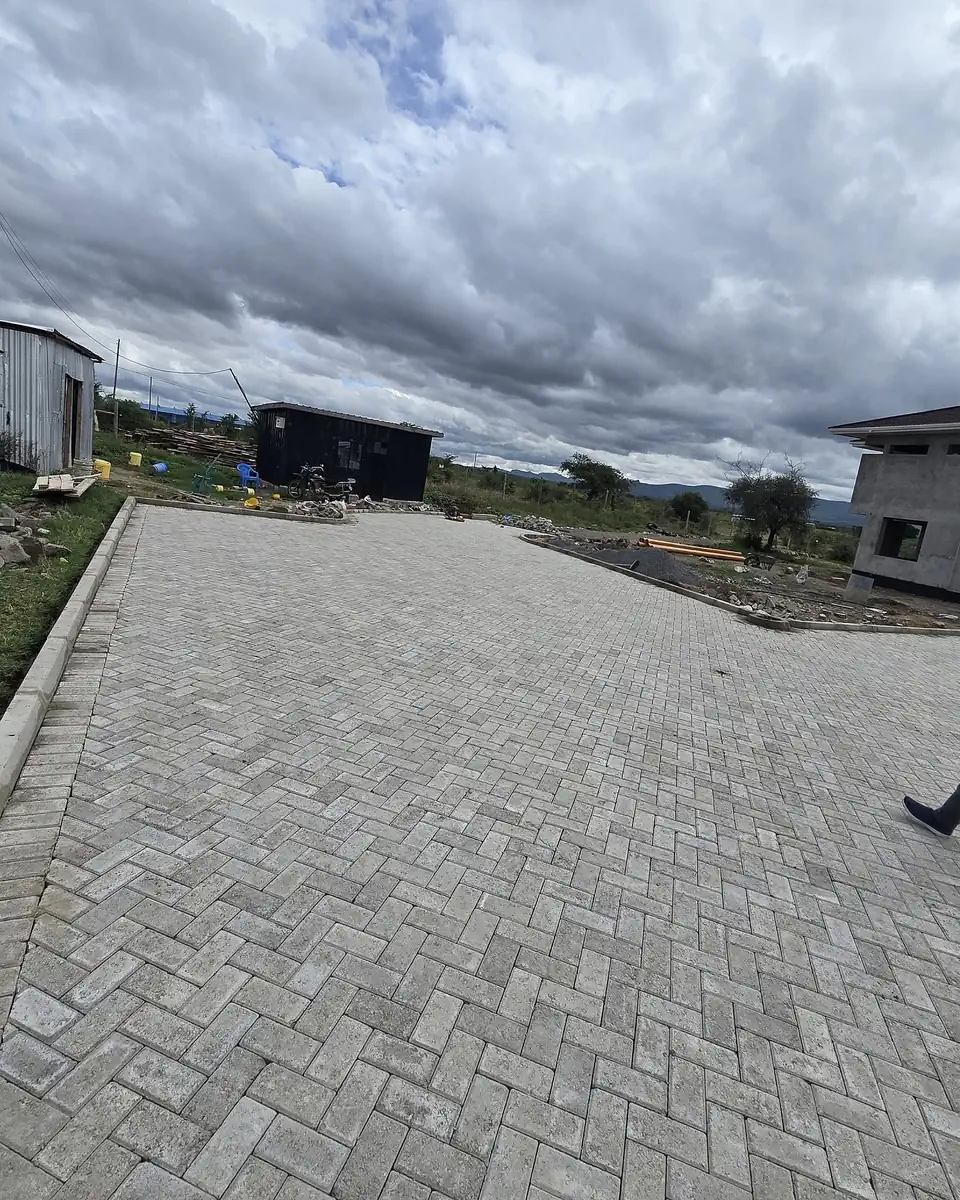
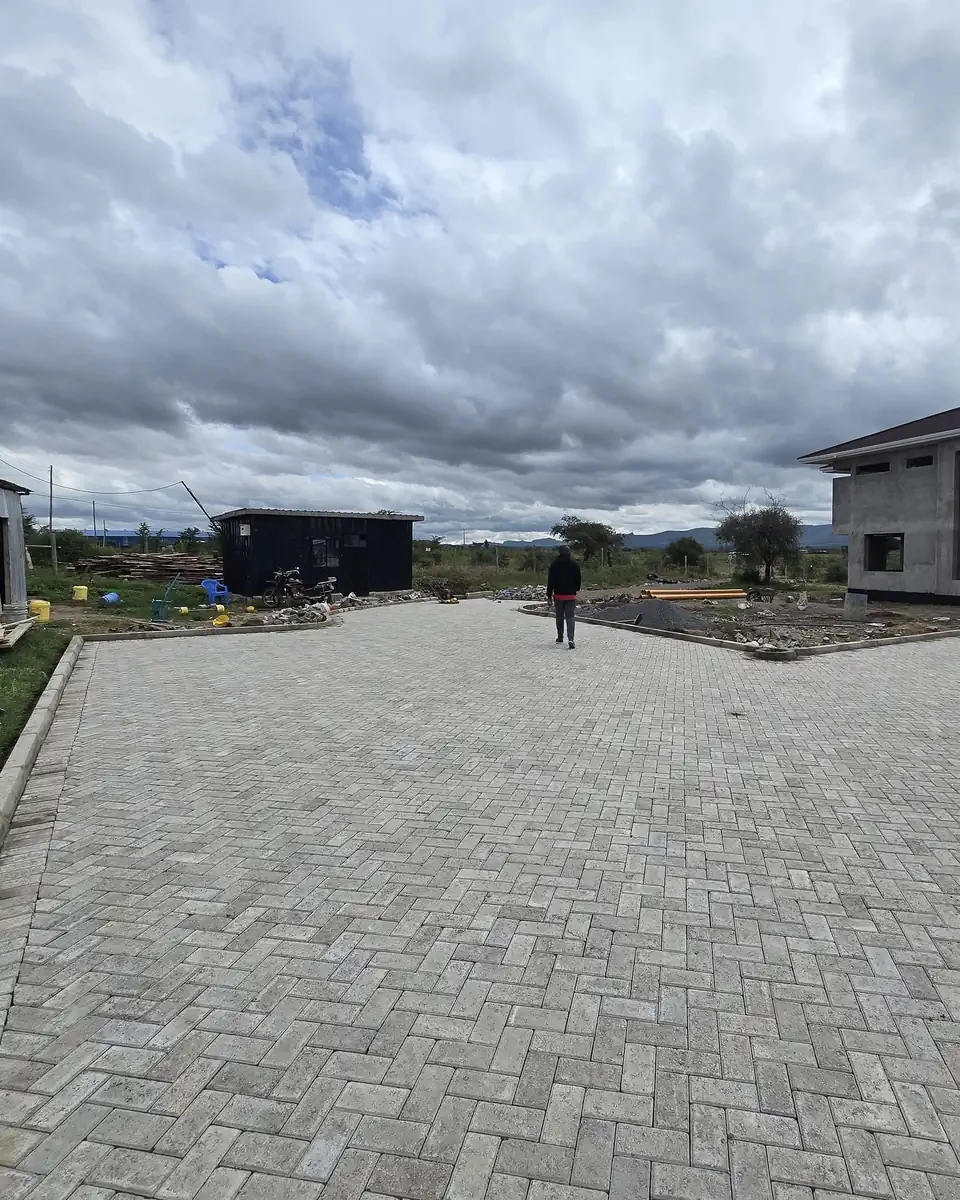
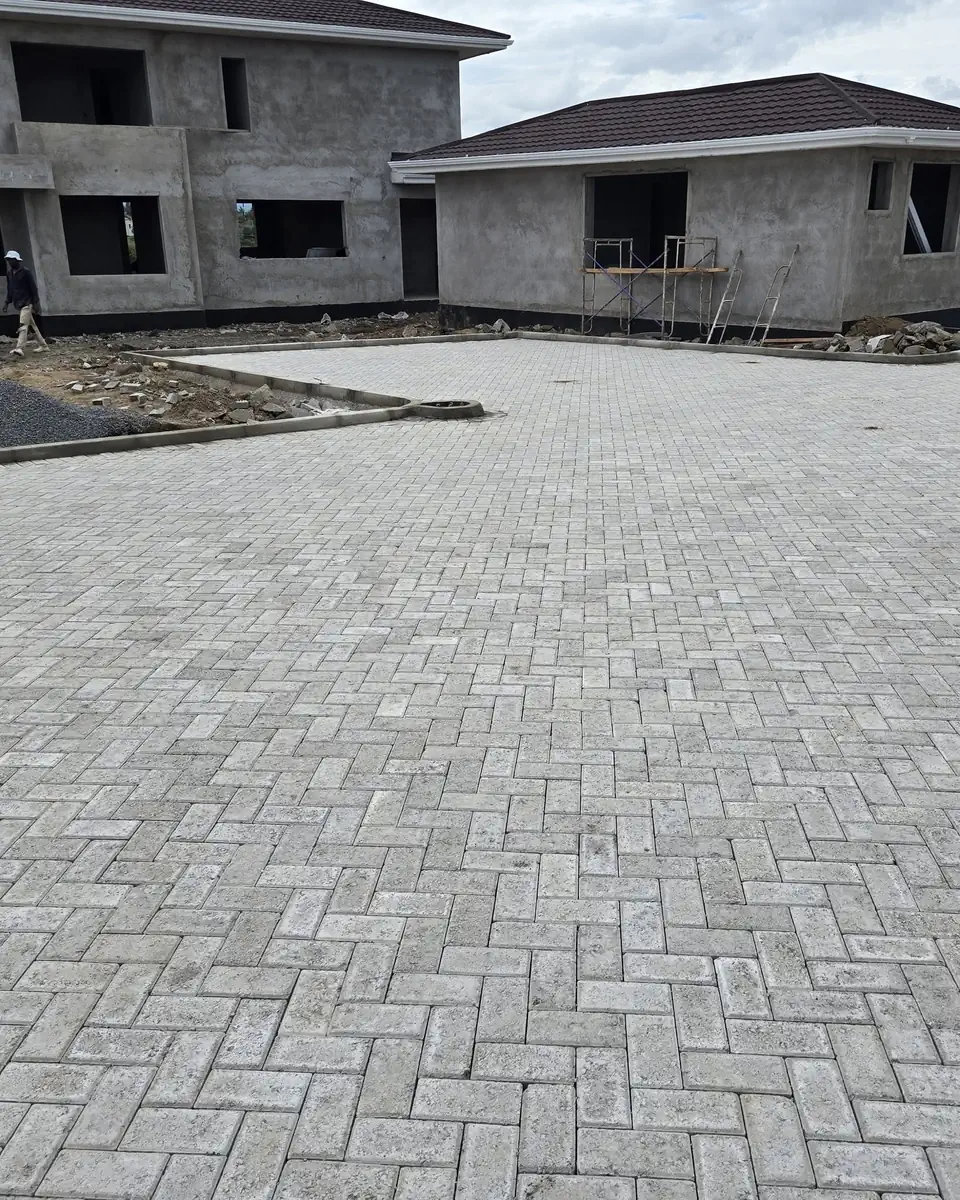
Paver driveways and parking courts for new and existing homes
Back patios, pool-adjacent areas and fire pit pads
Front walkways, entry landings and step approaches
Paver aprons and borders that dress up an asphalt driveway
Permeable paver areas that let rainwater soak in
How a paver installation is built
Settling, rocking units and weeds in the joints almost always come from shortcuts underneath. A proper installation follows these steps:
Layout and grade. We set the finished height against doors, slabs and lawn, and plan a slope that moves water away from the house.
Excavate. Soil is removed to make room for the base. Driveways need a deeper base than patios because they carry vehicles.
Build the base. Crushed stone is placed and compacted in layers. On sandy Panhandle soil, a geotextile fabric is often used to keep the base from mixing with the sand below.
Screed bedding sand. A thin, level layer of bedding sand gives the pavers a uniform seat.
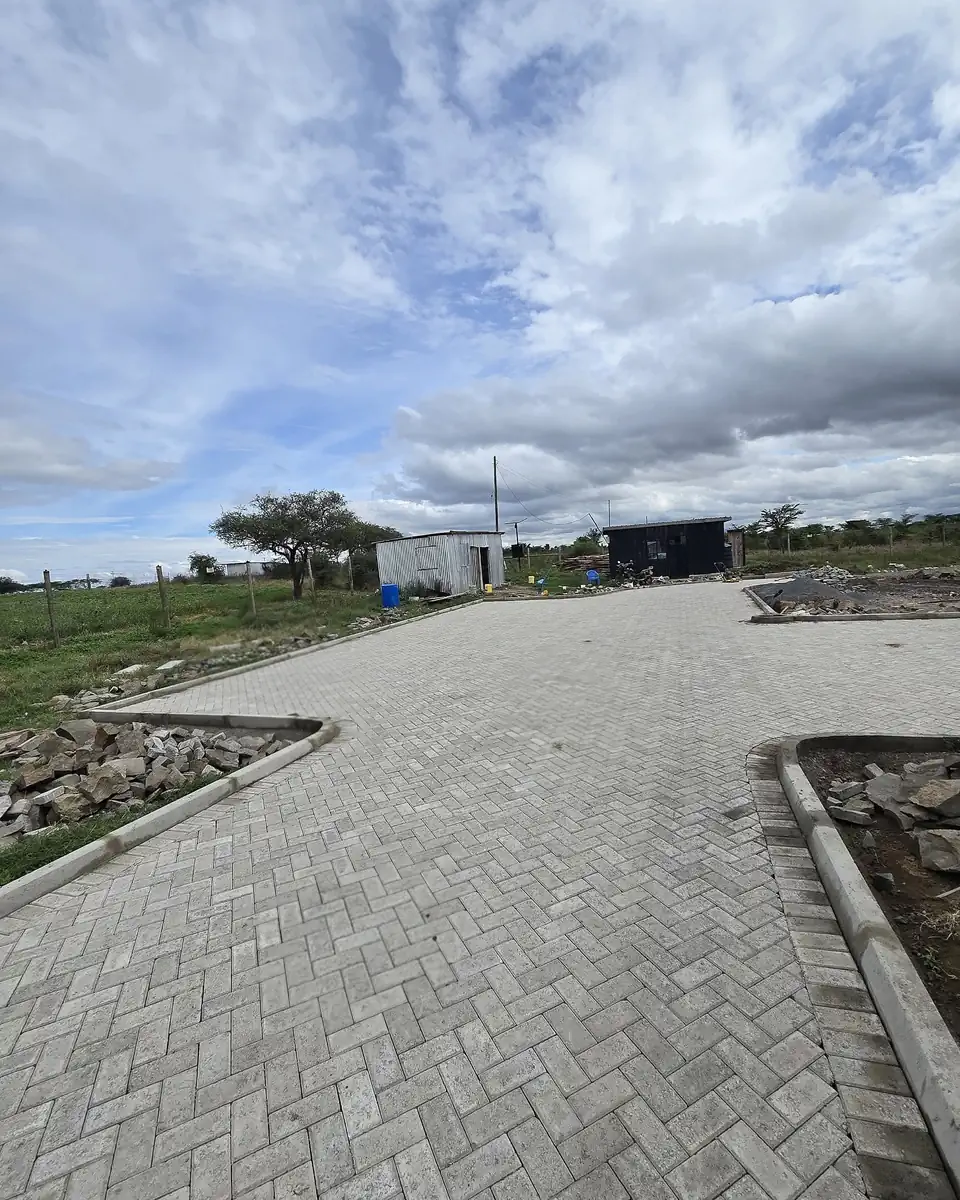
Lay the pattern. Herringbone, running bond, basket weave or a mixed-size pattern is laid and cut to fit at the edges.
Edge restraint. A concrete curb, a soldier course set in concrete or a commercial restraint keeps the field from spreading.
Compact and fill joints. The pavers are compacted and joints are filled, often with polymeric sand that firms up to resist washout and weeds.
For driveways, a herringbone pattern spreads the load of turning tires across more joints, so it resists shifting better than a simple running bond.
Choosing a paver style
Option
Good for
Notes
Standard interlocking pavers
Driveways, walkways
Strong, wide color range, easy to repair
Large slab pavers
Patios, landings
Modern look with fewer joints; needs a very flat base
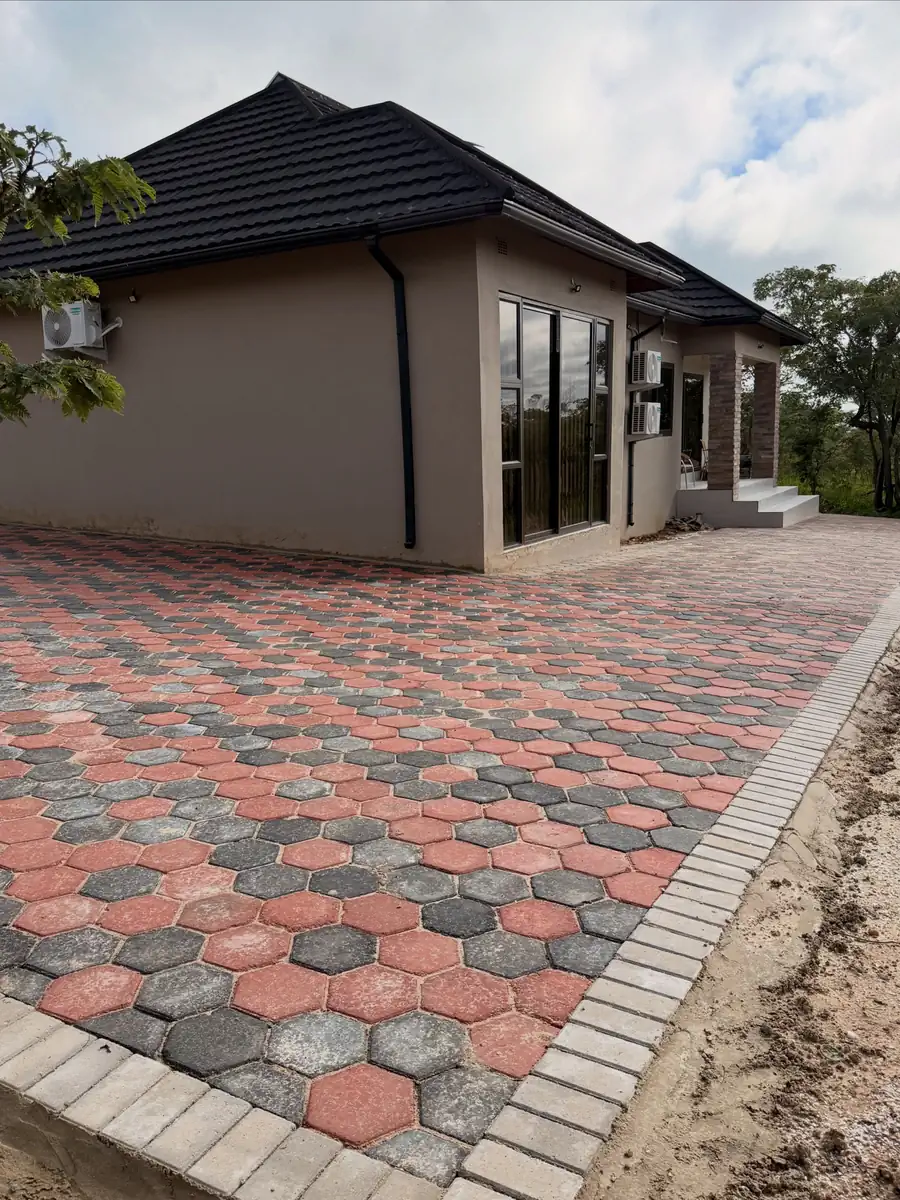
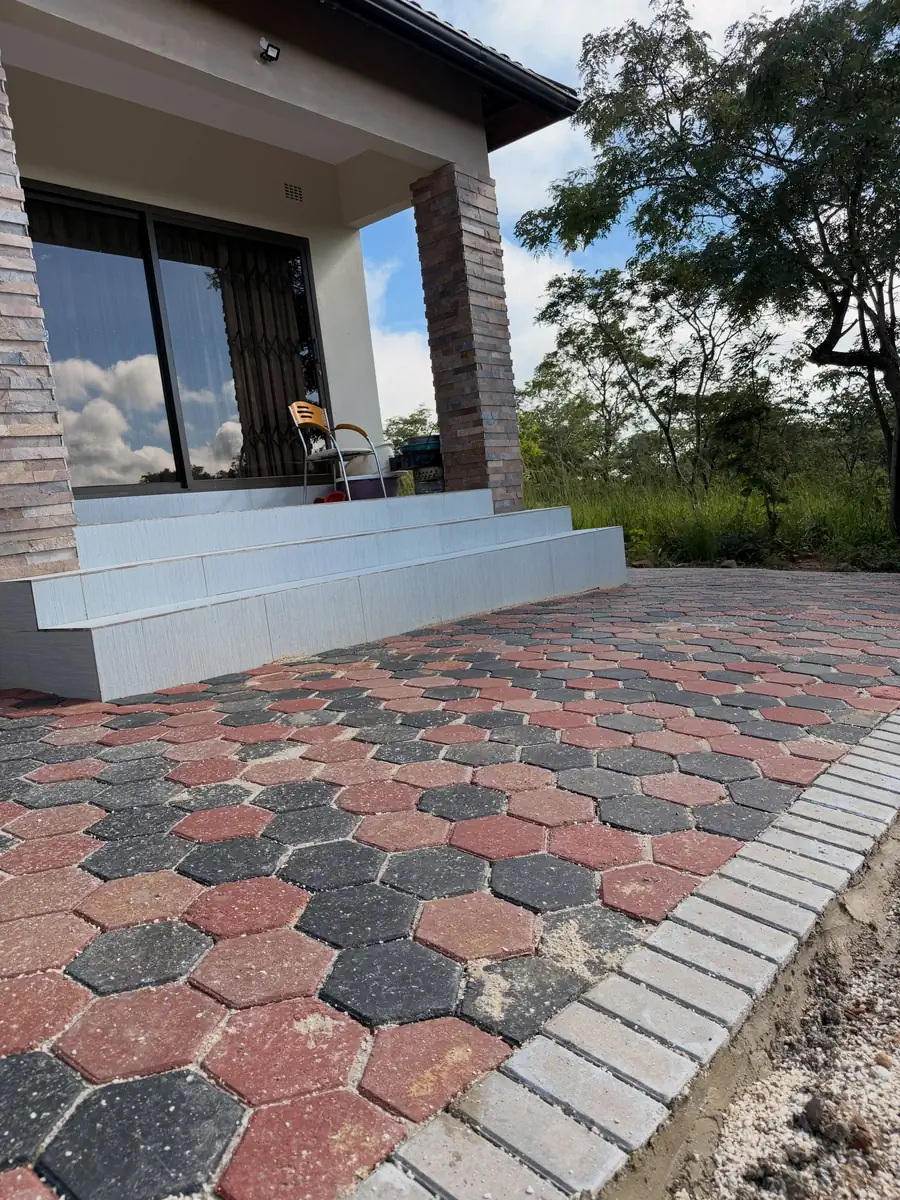
Hexagon and specialty shapes
Patios, accents
Distinctive pattern; more cutting at the edges
Permeable pavers
Driveways, patios near drainage limits
Wider joints and an open-graded base let rain infiltrate
Paver borders and aprons
Asphalt or concrete drives
Define edges and add curb appeal at lower cost
Pavers in a hot, rainy climate
Heat. Light-colored pavers stay noticeably cooler underfoot than dark asphalt, which matters around patios and pools.
Storm water. Heavy downpours can wash sand out of open joints. Polymeric joint sand and correct slope reduce this.
Permeable options. Where impervious area is limited by local rules or the lot drains poorly, permeable pavers can reduce runoff. We review this with you during planning.
Sealing. Sealing pavers is optional. It can deepen color and make cleaning easier, but it is a cosmetic choice rather than a requirement.
What affects the cost of a paver project
Area, shape and the amount of cutting at curves and edges
Paver type, size and pattern
Base depth: a driveway needs more excavation and stone than a patio
Removal of existing concrete, asphalt or turf
Steps, borders, drainage work and access for equipment
Want an asphalt driveway with a paver accent instead? We combine both regularly. See asphalt driveway paving for that option.
Pavers cost more to install but offer more design options, stay cooler and can be repaired one unit at a time. Asphalt is faster and less expensive up front. Many homeowners combine an asphalt driveway with a paver border or apron.
The usual causes are a base that is too thin or poorly compacted, a missing edge restraint, too much bedding sand or water washing out the joints. These are installation issues, which is why base and edging are spelled out in our estimates.
It is a paver surface with wider joints filled with small stone over an open-graded stone base. Rainwater passes through the joints and is stored in the base, reducing runoff and puddles. It needs occasional vacuuming of the joints to keep it draining.
A typical backyard patio takes a few working days once materials arrive: excavation and base on the first days, then laying, cutting and joint fill. Driveways, steps and weather can extend the schedule; we give you a timeline with the estimate.
Free on-site estimates across the Florida Panhandle, from Pensacola to Destin and Panama City Beach. Call (850) 555-0147 or send us the project details.