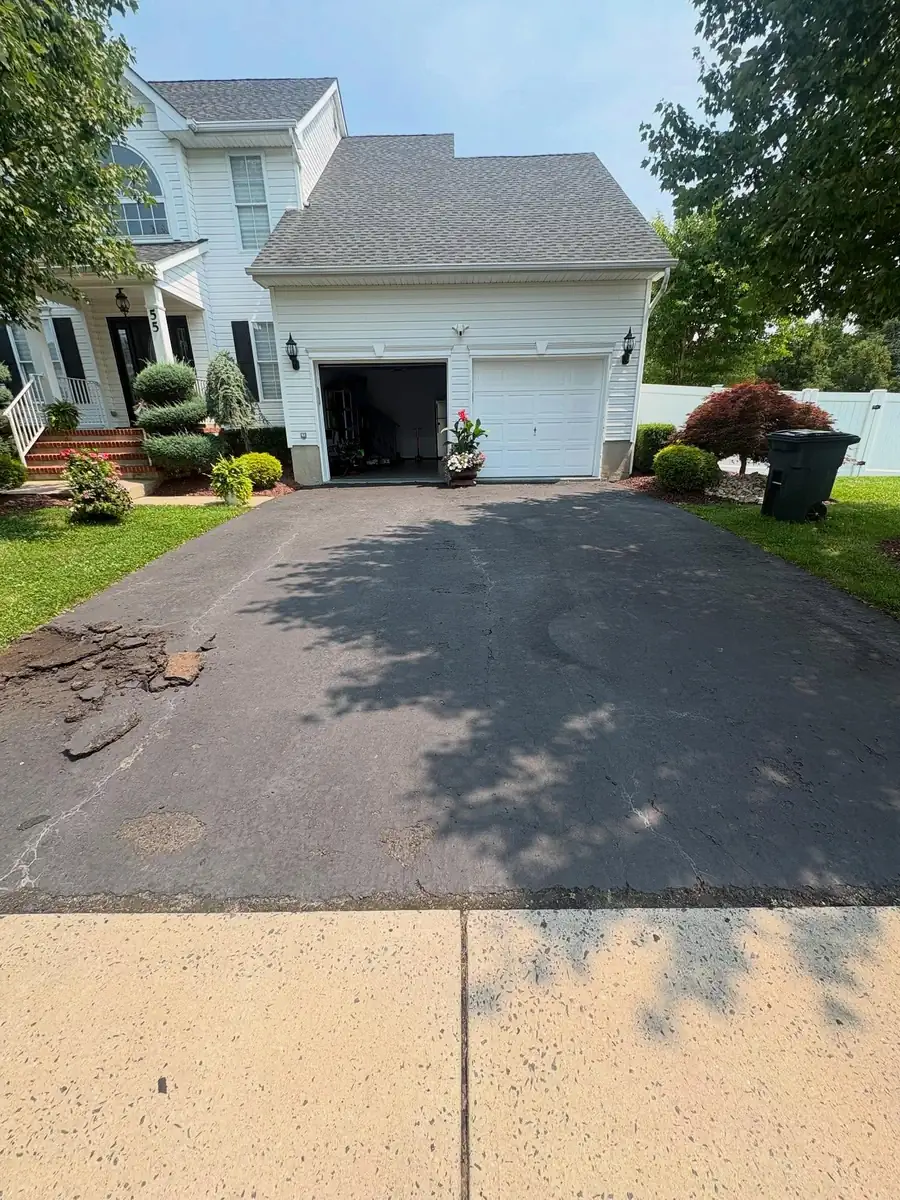
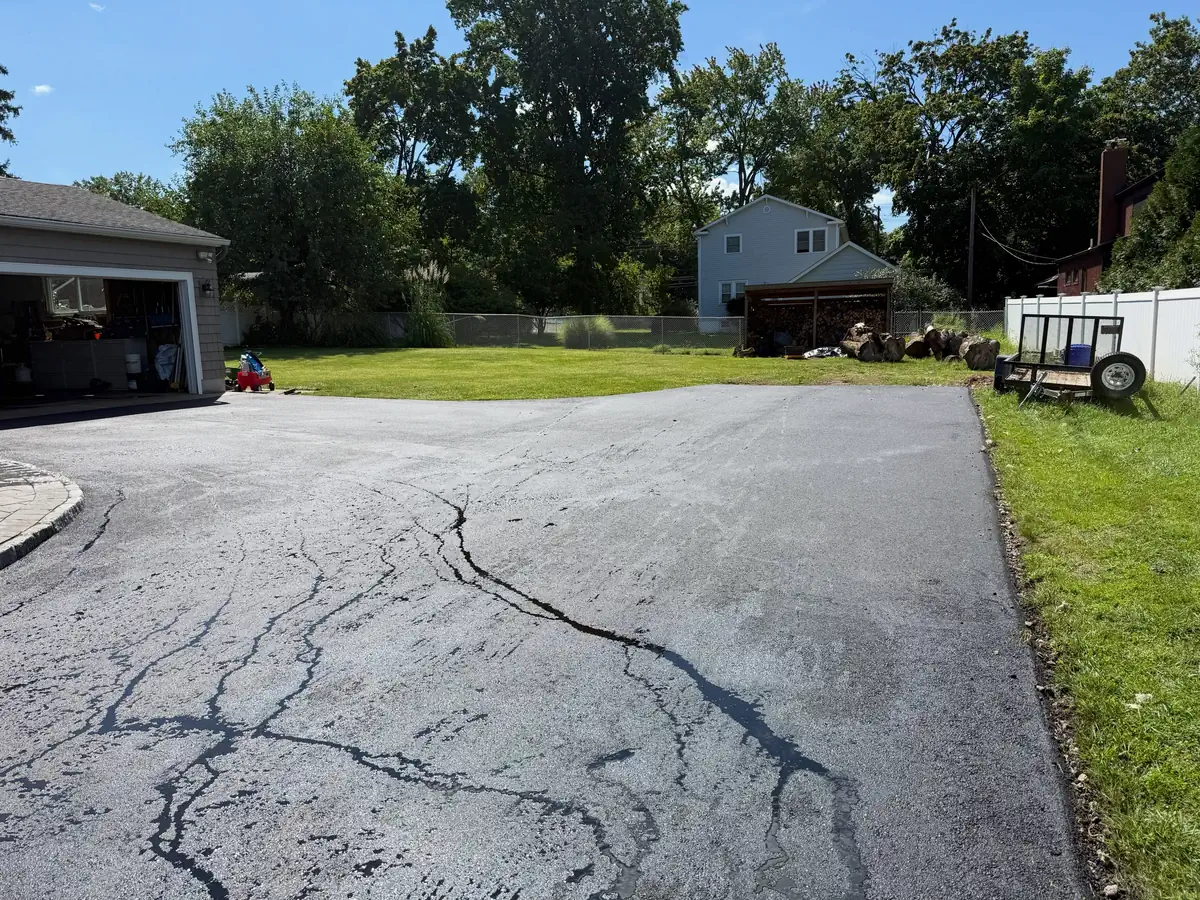
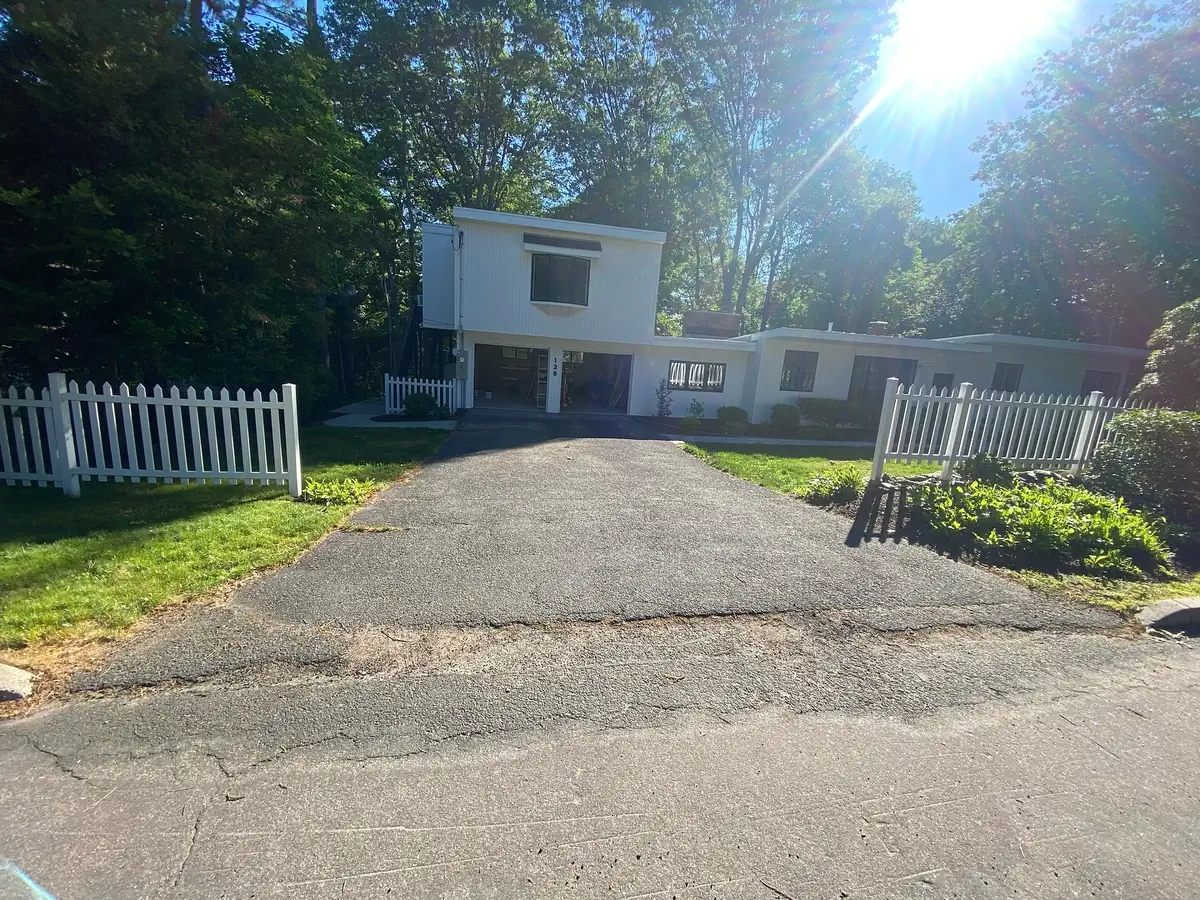
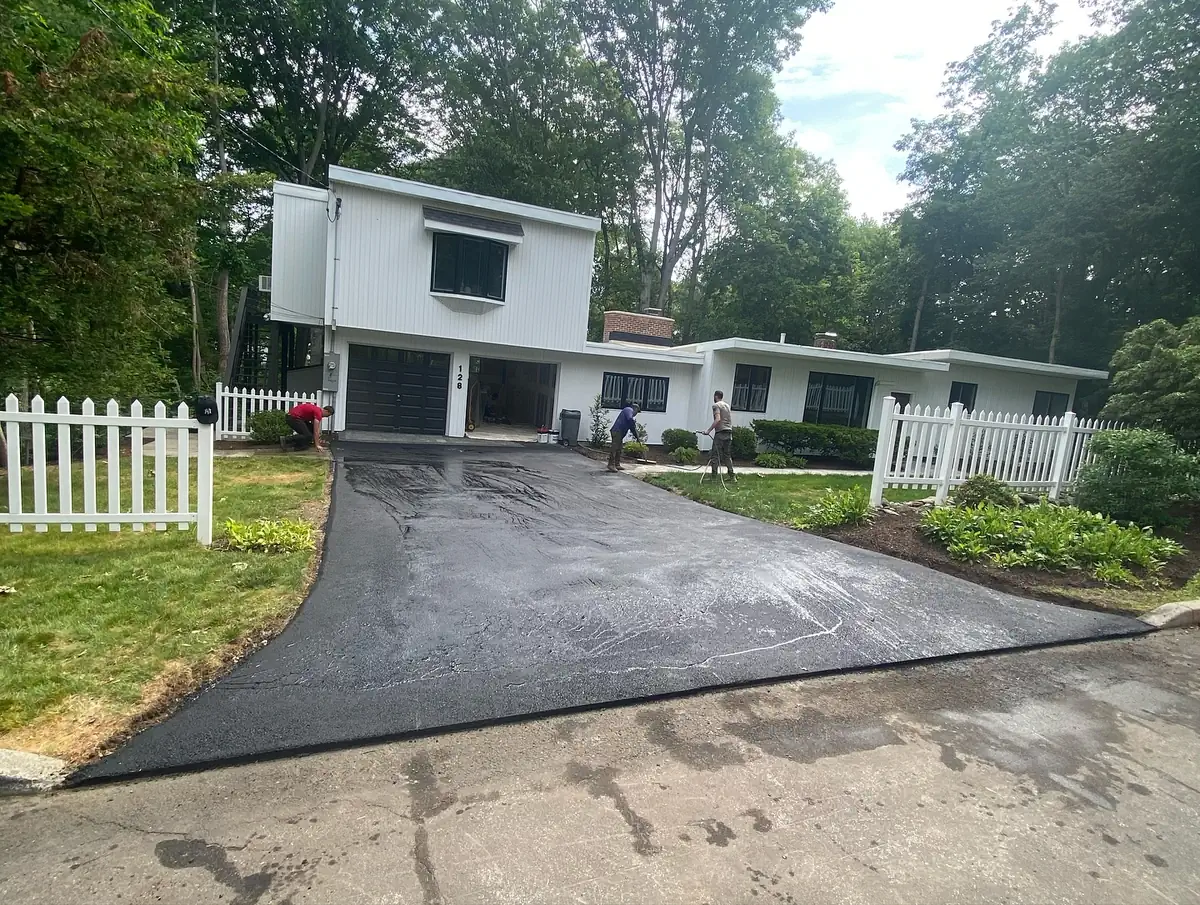
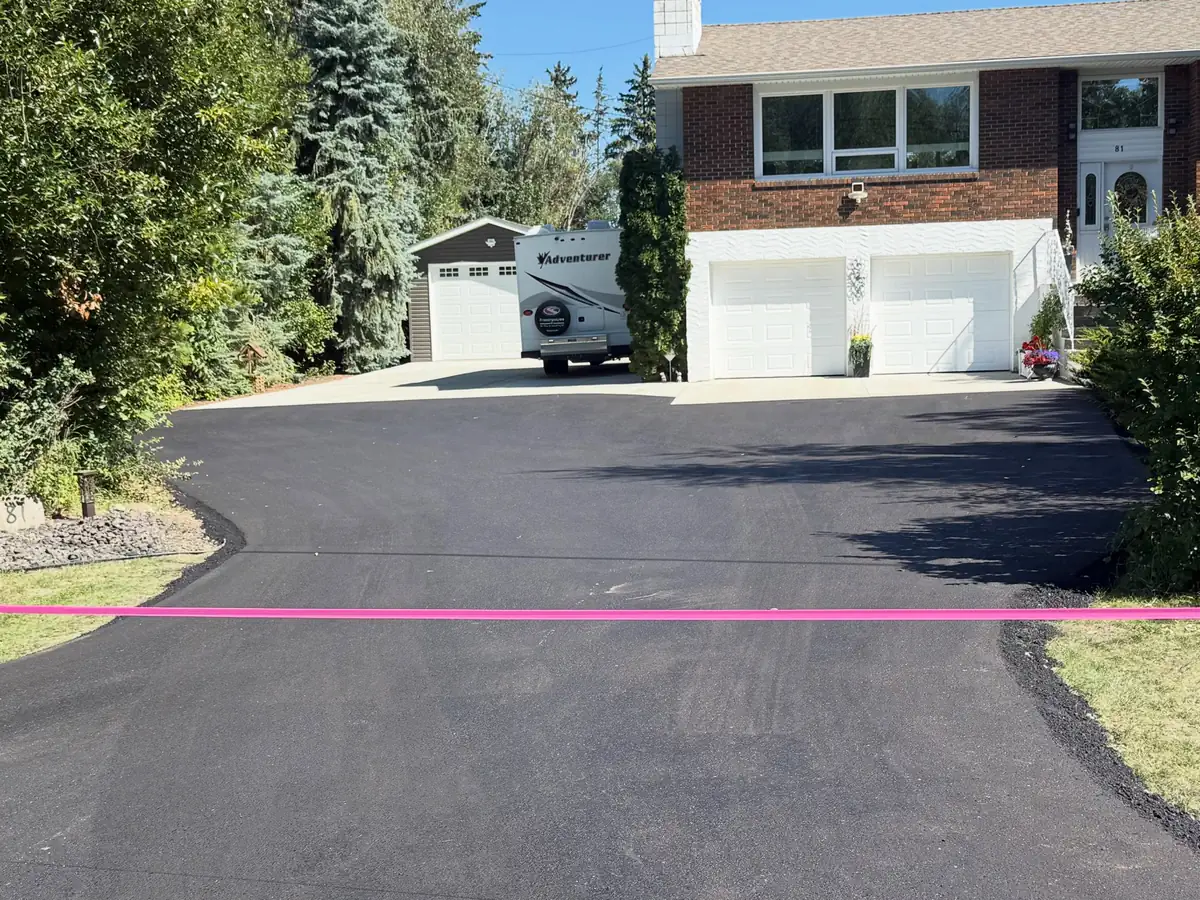
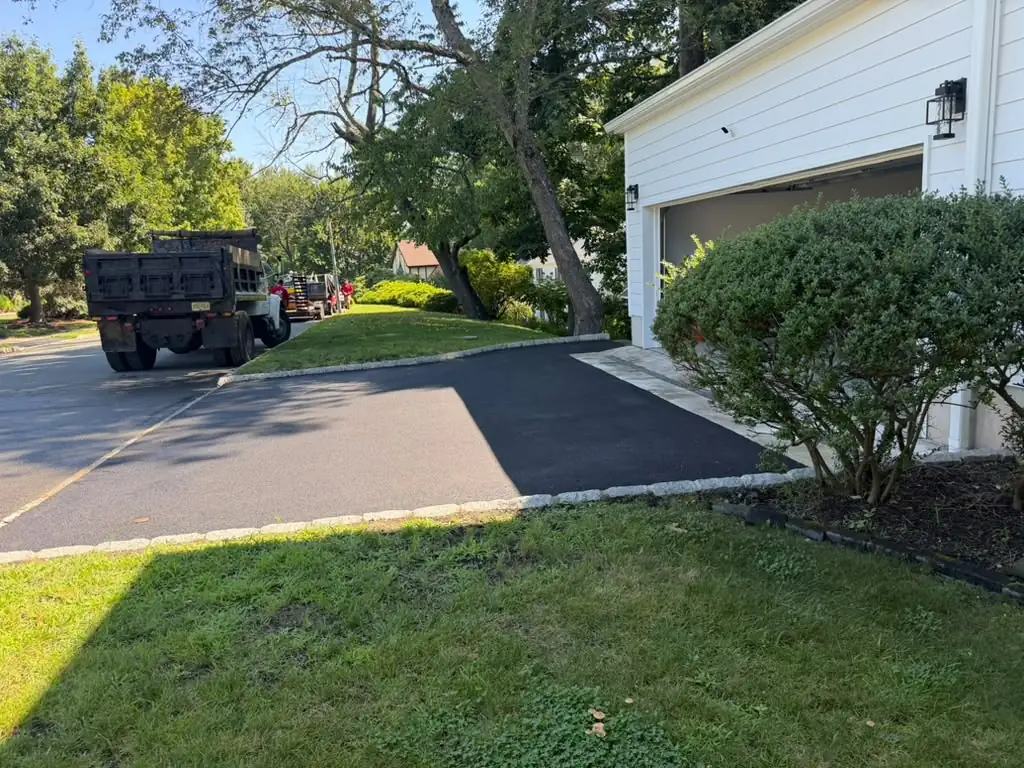
Crack filling and sealcoating that protect asphalt from sun, water and spills.
Asphalt sealcoating is a protective coating applied over an existing asphalt surface to slow oxidation, keep water out of small cracks and resist oil and fuel spills. Combined with crack filling, it is the simplest way to extend the life of a driveway. Keystone Paving & Outdoor sealcoats residential driveways and small parking areas across the Florida Panhandle, from Pensacola to Destin and Panama City Beach.
What sealcoating does, and what it does not
Sealcoat is a maintenance product. It protects a sound surface; it does not add structural strength. Being clear about that avoids disappointment:
Sealcoating helps with
Sealcoating cannot fix
Gray, faded, dry-looking asphalt
Potholes and broken sections
Hairline cracks after they are filled
Alligator cracking from a failed base
Oil, fuel and fluid stains soaking in
Ruts, settling and standing water
Loose surface stones (raveling) in early stages
Roots lifting the pavement
If your driveway falls in the right-hand column, it needs asphalt repair first. Sealing over structural damage only hides it for a season.
Our sealcoating process
Clean. Edges are trimmed back, debris is blown off and the surface is cleaned so the coating can bond.
Treat stains. Oil spots are primed; otherwise they bleed through and the sealer peels.
Fill cracks. Cracks are cleaned out and filled with a flexible crack filler before any coating goes down.
Apply sealer. Coats are applied evenly by squeegee, brush or spray depending on texture. Two thin coats generally wear better than one heavy coat.
Close off and cure. The driveway is barricaded until the coating is dry enough for traffic.
Brush or squeegee application works the sealer into the surface texture; spray gives a uniform finish on larger areas. Good contractors choose the method for the surface, not for speed.
When to seal a driveway in the Panhandle
Timing matters as much as the product. Sealer needs a dry surface and dry hours to cure:
New asphalt: wait several months before the first coat so the surface can cure. We give you a recommended date when we pave.
Weather window: avoid days with rain in the forecast. In summer, afternoon storms are common, so morning application is usually best.
Heat: very hot pavement can make sealer dry too fast. Spring and fall are often the most comfortable seasons in Northwest Florida.
Frequency: most residential driveways benefit from sealing every two to four years. Heavily shaded drives or those with lots of traffic may need it sooner.
Over-sealing is a real problem too. Too many coats build up a layer that cracks and flakes on its own. When the previous coat still looks good, a crack-fill visit may be all you need that year.
What affects the cost of sealcoating
Total square footage and the shape of the area
Linear feet of cracks that need filling
Oil stain treatment and edge trimming
Number of coats and the type of sealer
For lots: re-striping parking spaces and arrows after sealing
We price crack filling and sealing as separate lines so you can see what each part of the work costs.
Caring for a freshly sealed driveway
Keep cars off for at least 24 hours and longer in cool or humid weather. Turn off irrigation that sprays the driveway for a day. Avoid turning the steering wheel while the car is stopped during the first week, and keep kickstands and trailer jacks off the surface or use a board under them.
Every two to four years is typical for a residential driveway. Seal when the surface starts to look gray and dry or when small cracks appear. Sealing more often than needed can cause buildup that flakes.
For a structurally sound driveway, yes. Sealing and crack filling slow oxidation and keep water out of the base, which delays the cracking that leads to costly repairs. It is not worth applying over a driveway that is already breaking up.
Sealcoat is a thin protective coating for driveways and lots. Slurry seal contains more aggregate and forms a thicker wearing layer, so it is used mainly on roads and large pavements with more surface wear.
It is usually dry to walk on in a few hours and ready for cars after about 24 to 48 hours. Humidity, shade and cooler temperatures slow drying, so we confirm the reopening time on the day of application.
Free on-site estimates across the Florida Panhandle, from Pensacola to Destin and Panama City Beach. Call (850) 555-0147 or send us the project details.