New asphalt driveways, replacements and small lots built on a properly prepared base.
Asphalt paving is the installation of a hot-mix asphalt surface over a graded, compacted stone base. For a residential driveway in the Florida Panhandle, the quality of that base and the way water leaves the surface matter more than the thickness of the blacktop on top. Keystone Paving & Outdoor paves new driveways, replaces failed ones and builds small parking areas across the Florida Panhandle, from Pensacola to Destin and Panama City Beach.
What an asphalt driveway project includes
A durable driveway is built in layers, and most early failures can be traced back to one of them being skipped. On every job we walk the property first and define each step in the written scope:
Typical scope of a new or replacement driveway
Removal and haul-away of the old asphalt, concrete or gravel
Excavation of soft or organic soil where it would not support traffic
Grading for a consistent slope away from the house and garage
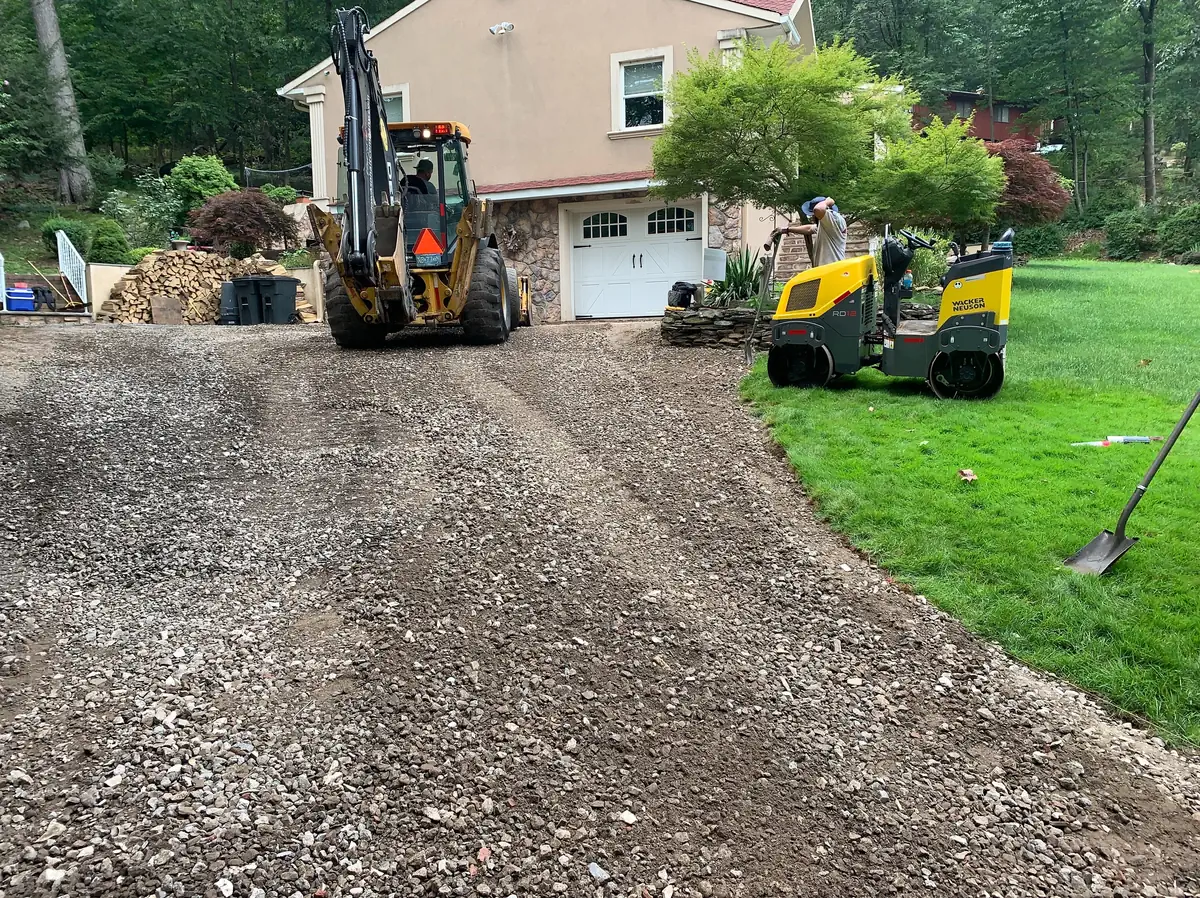
A compacted aggregate base, built up in lifts
Hot-mix asphalt laid with a paver and rolled while it is at working temperature
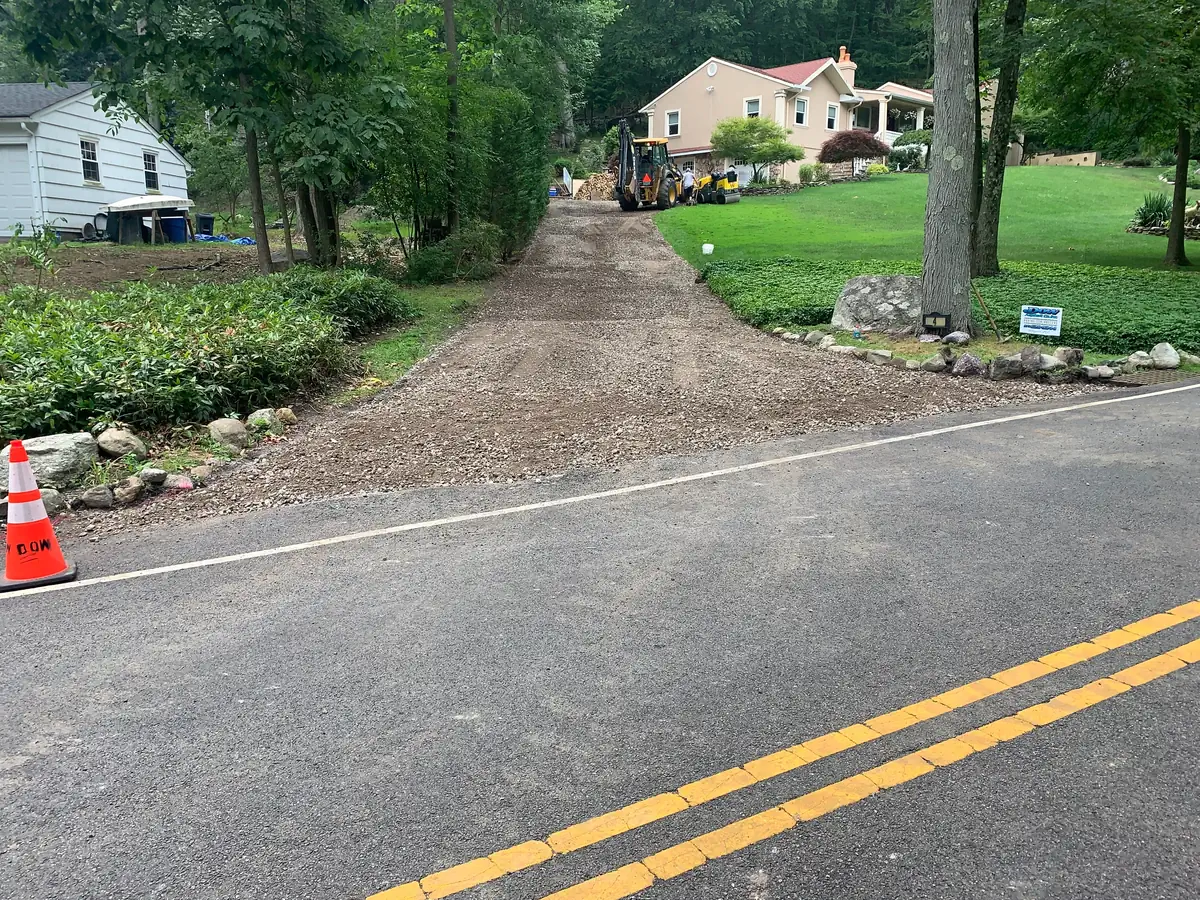
Clean tie-ins at the street, garage slab and walkways, plus edge finishing
Why the base matters on Gulf Coast soil
Much of the Panhandle sits on fine sand. Sand drains well, but it shifts when it is wet and unconfined, and tree roots travel through it easily. A thin layer of asphalt placed straight over loose sand will rut under tires and crack along the edges within a few seasons. That is why the stone base is the part of the estimate worth reading most carefully.
Ask any contractor three questions: how deep the base will be, what material it is made of, and how it will be compacted. The answers tell you more about the life of the driveway than the price does.
Edges deserve the same attention. Asphalt has no natural edge restraint, so unsupported edges crumble first. We shape and compact the shoulders, and where a driveway meets lawn or beds we recommend a stone shoulder, a granite block curb or a paver border depending on the look you want.
Drainage, heat and storms
Summer pavement temperatures on the Gulf Coast are high, and heavy rain arrives in short bursts. Both shape how we plan a project:
Slope and runoff. Water should leave the surface in a predictable direction and never pond against the garage slab or foundation. Low spots are corrected in the base, not hidden with extra asphalt.
Culverts and swales. Many rural and county lots have a roadside swale. Driveway crossings may need a culvert and, in many jurisdictions, a permit. We check this before scheduling.
Heat after paving. Fresh asphalt stays soft in hot weather. Turning wheels in place and parking in the same spot during the first weeks leaves marks, so we give you care instructions in writing.
Replacement, overlay or repair?
Not every tired driveway needs to be torn out. The choice depends on what is happening below the surface:
Widespread surface cracking on a sound, well-drained base
Asphalt overlay (resurfacing)
Alligator cracking, ruts, settled areas or standing water
Full removal and replacement with a new base
An overlay costs less than a replacement, but it copies the problems underneath. If the base has failed, cracks reflect through new asphalt quickly. We tell you which situation you have and why.
What affects the cost of asphalt paving
Driveway prices vary widely, so a useful estimate explains what is included. The main cost drivers are:
Area and shape. Square footage, curves, turnarounds and the number of tie-ins.
Tear-out. Removing and disposing of old asphalt or concrete adds labor and hauling.
Base work. Excavation depth and the amount of new stone needed to stabilize the soil.
Drainage. Regrading, culvert pipe or swale work.
Access. Narrow entries, steep grades or long hauls from the road slow the crew down.
Edging. Plain shoulders, block curbing or paver borders.
Asphalt millings and tar-and-chip surfaces cost less up front and suit some long rural drives. They are a different product from a hot-mix driveway, and we will explain the trade-offs honestly if one of them fits your property better.
Small commercial lots and private roads
Beyond homes, we pave small parking areas, church and office lots, shared private drives and walkways. Commercial work adds traffic planning, ADA-compliant parking layout and line striping to the scope, and it is usually scheduled to keep the business open.
Recent asphalt paving work
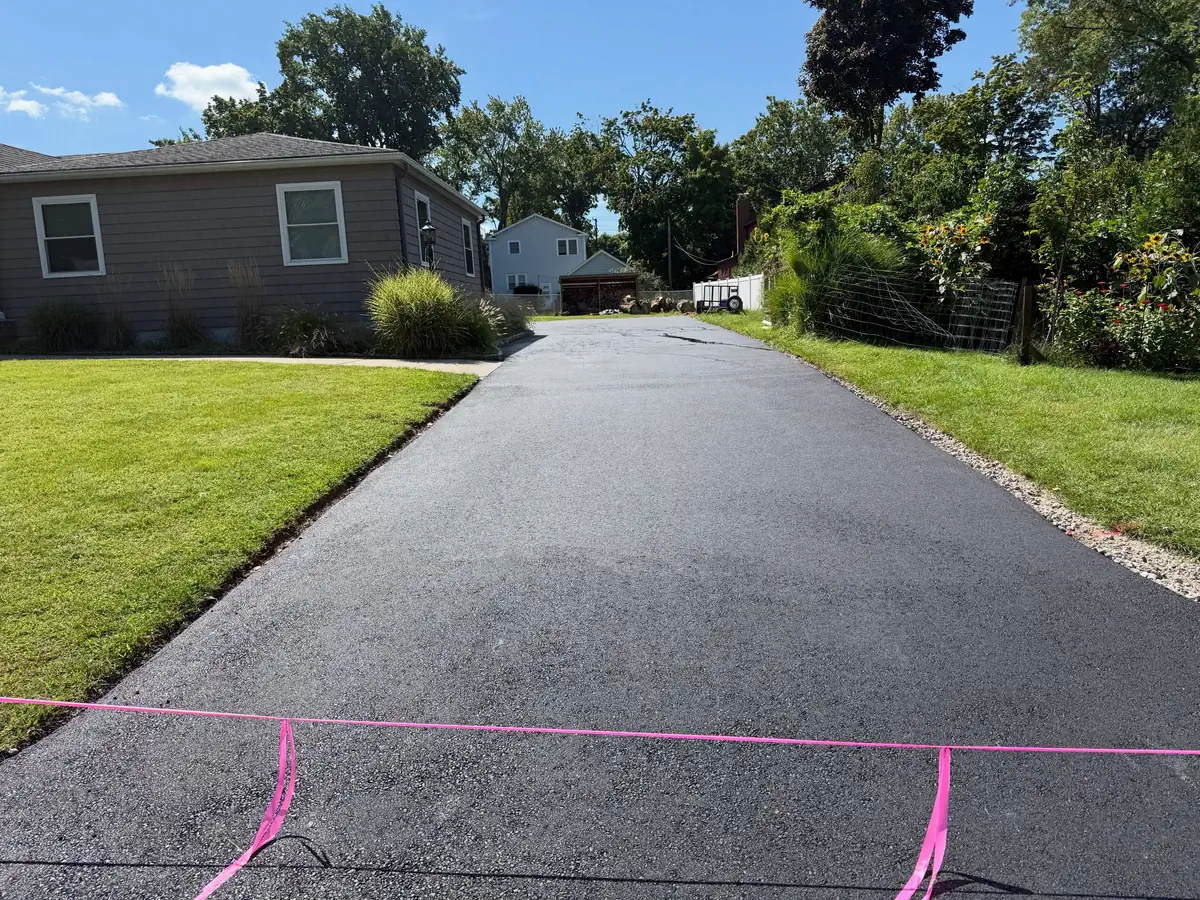
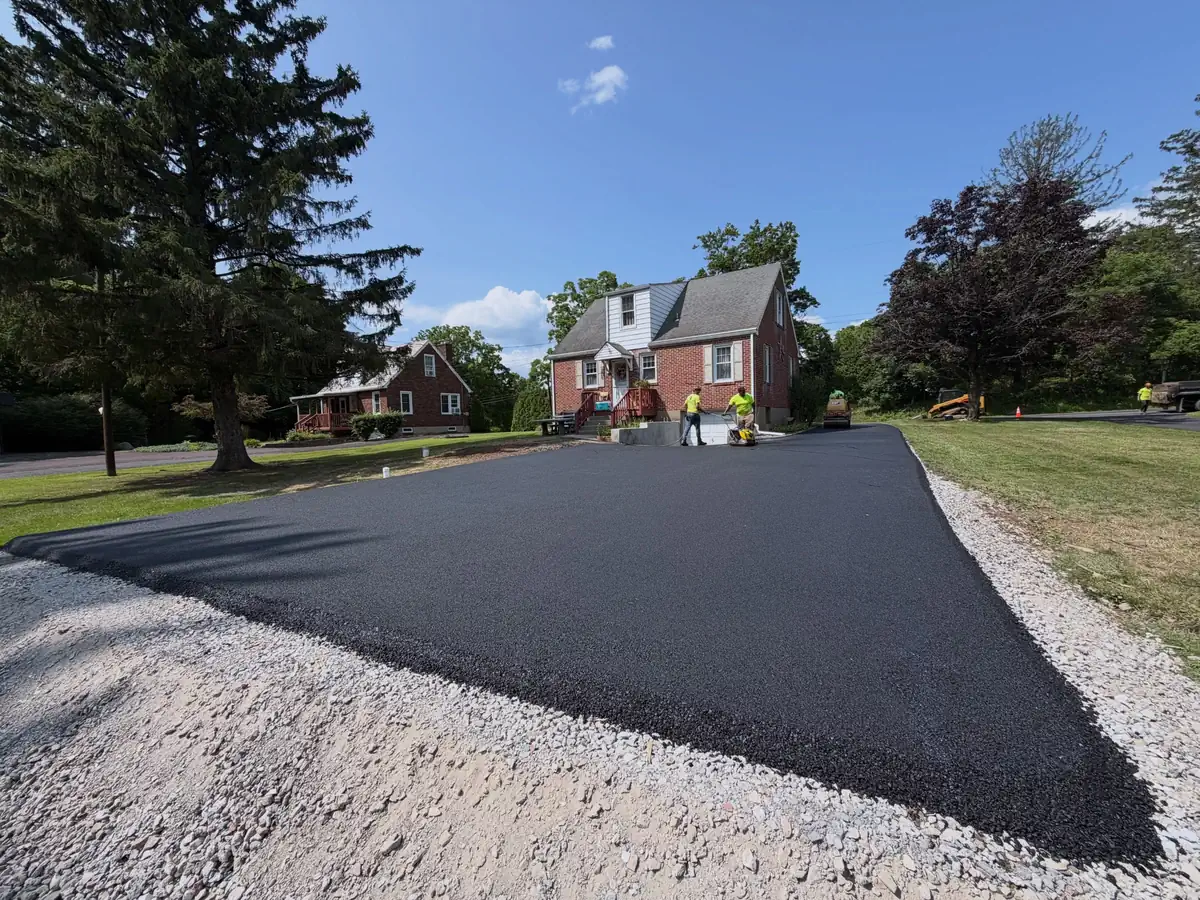
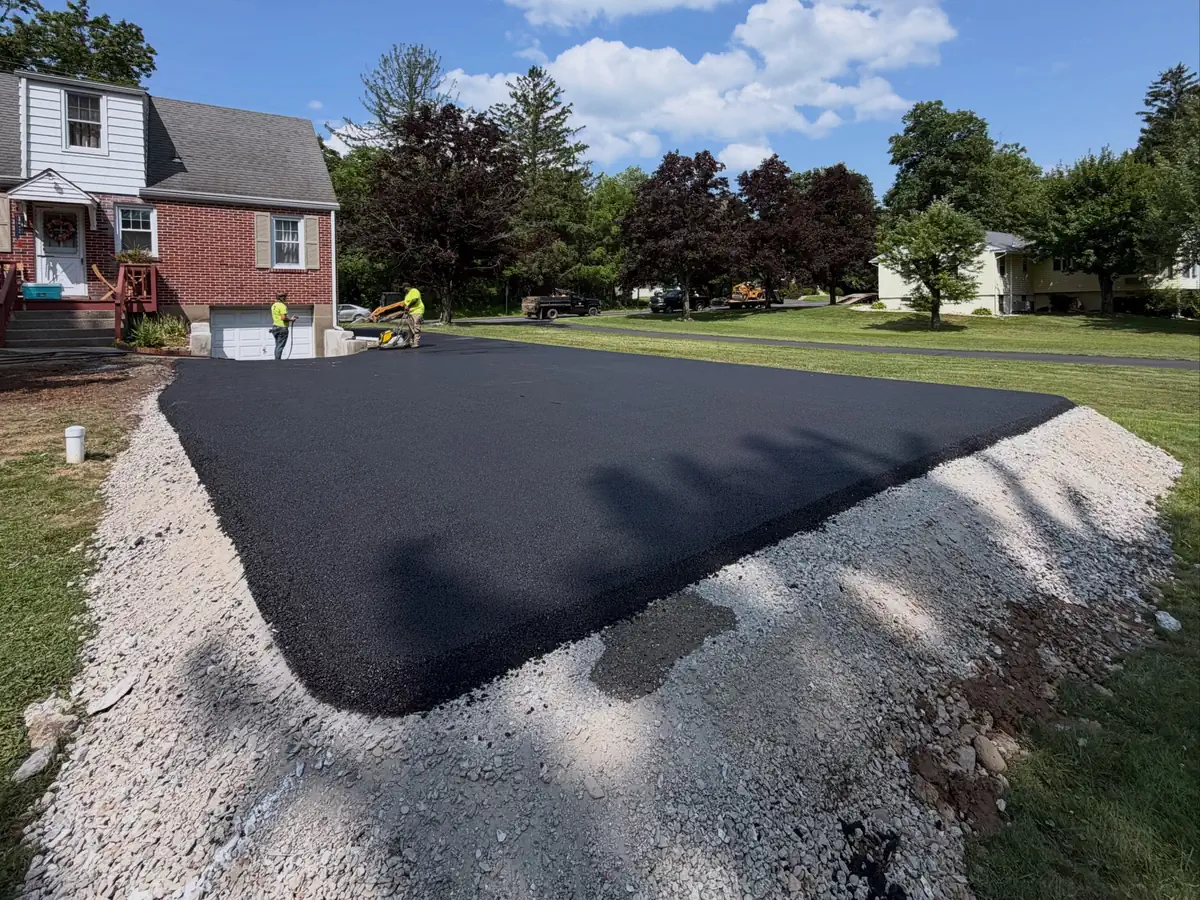
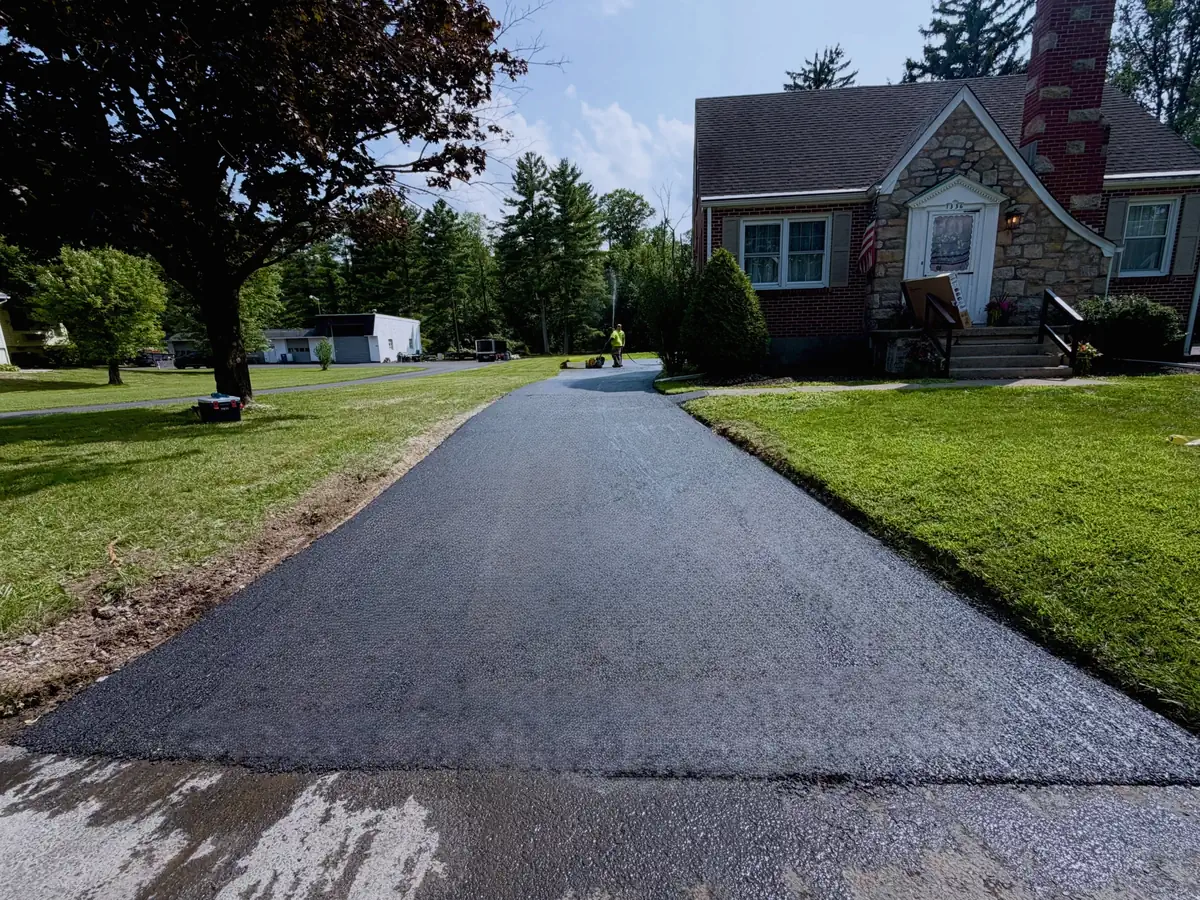
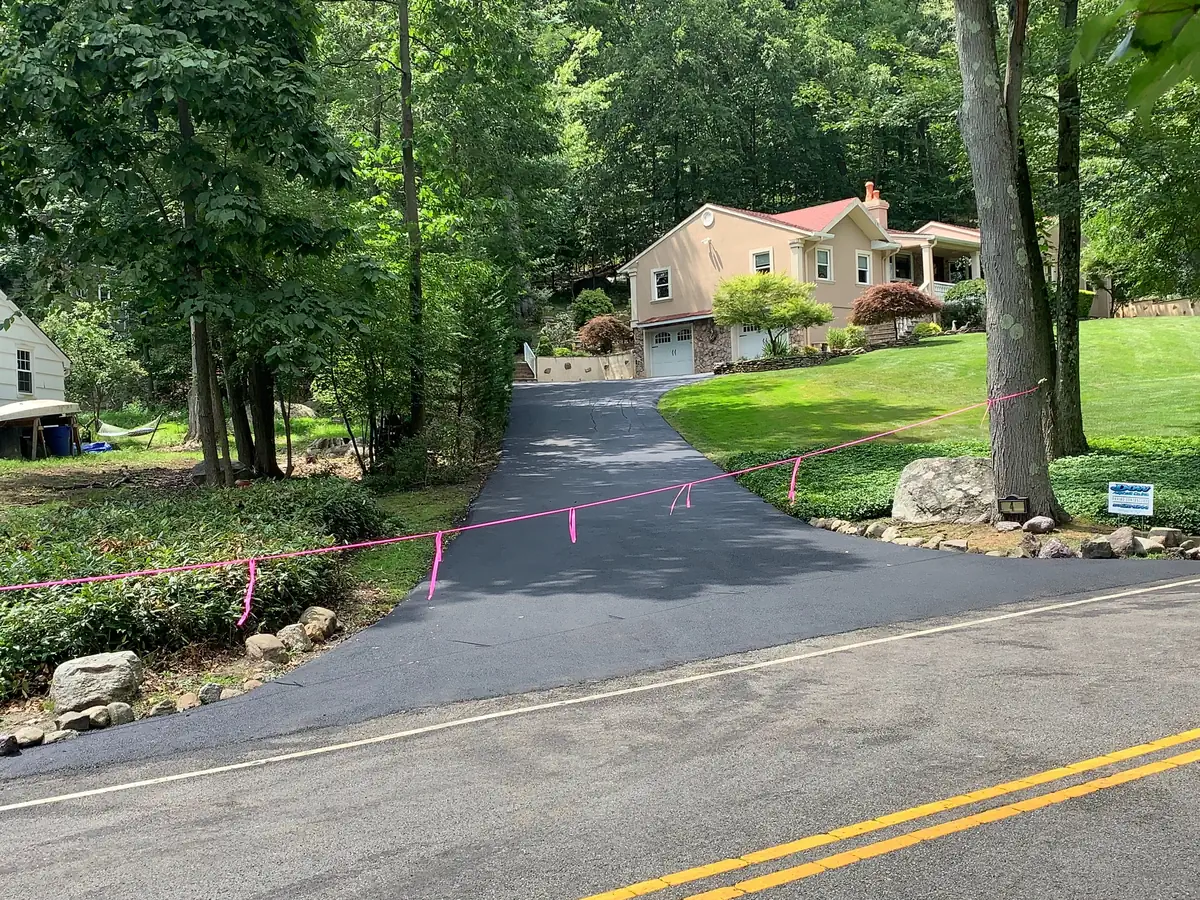
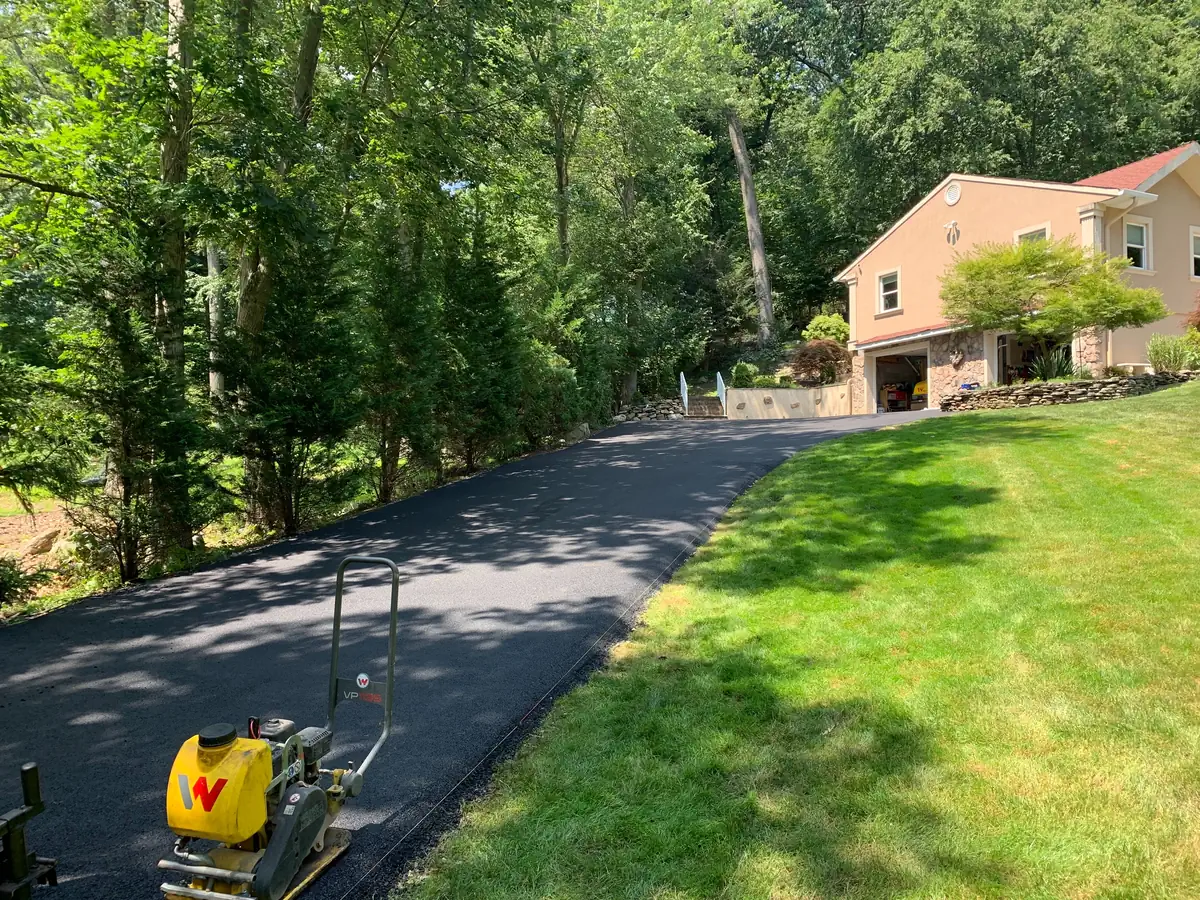
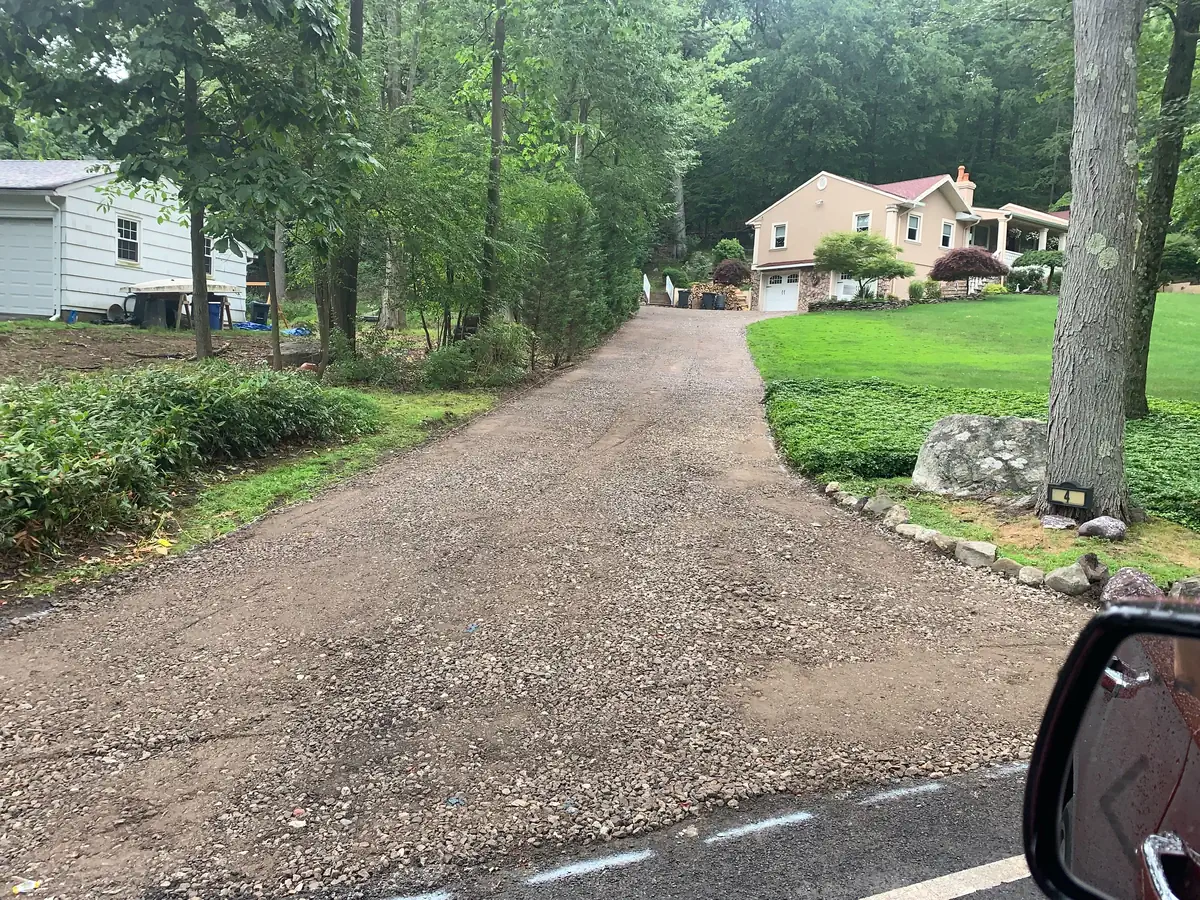
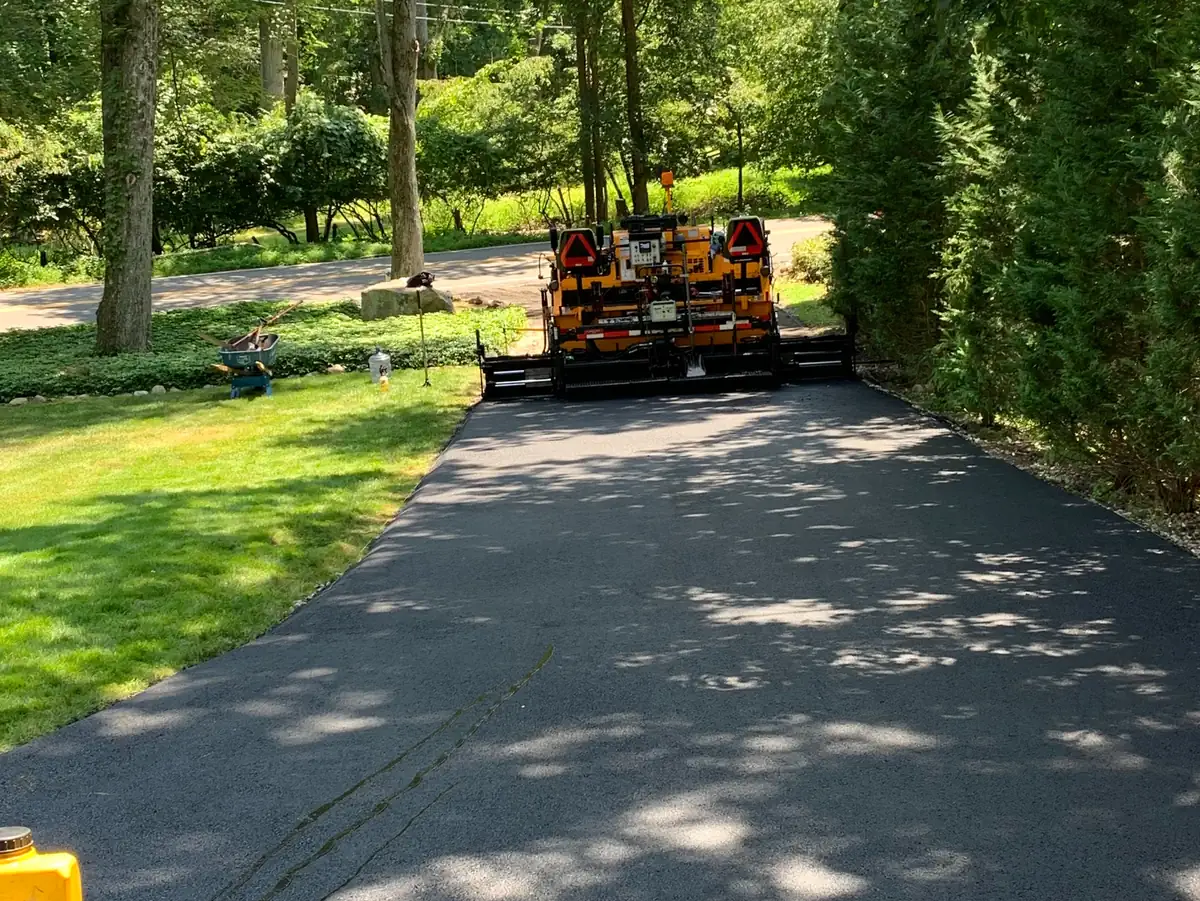
Driveway with stone shouldersWide driveway apronLong residential drivewayClean street tie-inCompacting the edgesGraded stone basePaving machine at workExcavation and base workBase ready for paving
Asphalt paving questions
Foot traffic is usually fine the next day. Wait at least three days before driving on it, and longer in hot weather. Asphalt continues to harden for weeks, so avoid sharp turns in place and heavy trucks during the first month.
A well-built residential driveway commonly lasts 15 to 25 years. Base quality, drainage, tree roots and regular maintenance make the biggest difference. Sun exposure dries the surface, so sealing every few years helps it age more slowly.
Asphalt usually costs less to install, is quick to use and is easy to repair or resurface. Concrete stays cooler in summer and needs less routine sealing. The right choice depends on budget, appearance and how the driveway will be used.
Often, yes, especially for a new connection to a public road or work in a roadside swale. Requirements differ between cities and counties, and some HOAs have their own rules. We confirm what applies to your address before work is scheduled.
Free on-site estimates across the Florida Panhandle, from Pensacola to Destin and Panama City Beach. Call (850) 555-0147 or send us the project details.